12 Proven Benefits of In Clinic ABA Therapy That Work
What Parents Should Know About In Clinic ABA Therapy
When your child is diagnosed with autism, one of the first recommendations you’ll likely hear is Applied Behavior Analysis (ABA). But understanding the different delivery models, especially in clinic aba therapy, can feel overwhelming at first.
Let’s break it down in a simple, practical way so you can make confident decisions for your child.
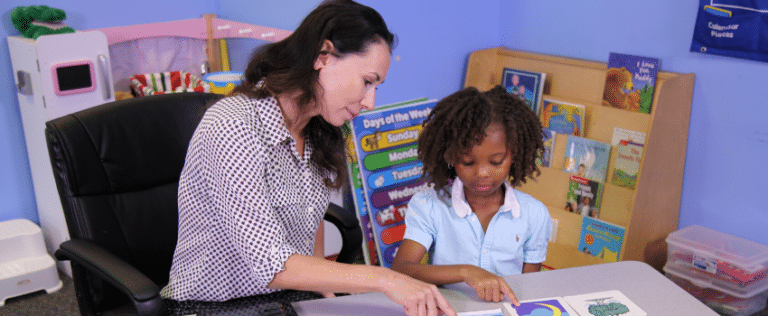
In clinic aba therapy refers to ABA services delivered in a structured, center-based environment. Instead of therapy happening at home, your child attends sessions at a dedicated clinic designed specifically for learning, skill-building, and behavior support.
At Thrive Behavior Centers Houston, this approach is carefully designed to provide consistent, high-quality therapy in a distraction-controlled setting that maximizes progress.
How In Clinic ABA Therapy Works
In a clinic setting, your child works one-on-one with a trained Registered Behavior Technician (RBT) under the supervision of a Board Certified Behavior Analyst (BCBA).
Here’s what a typical day might include:
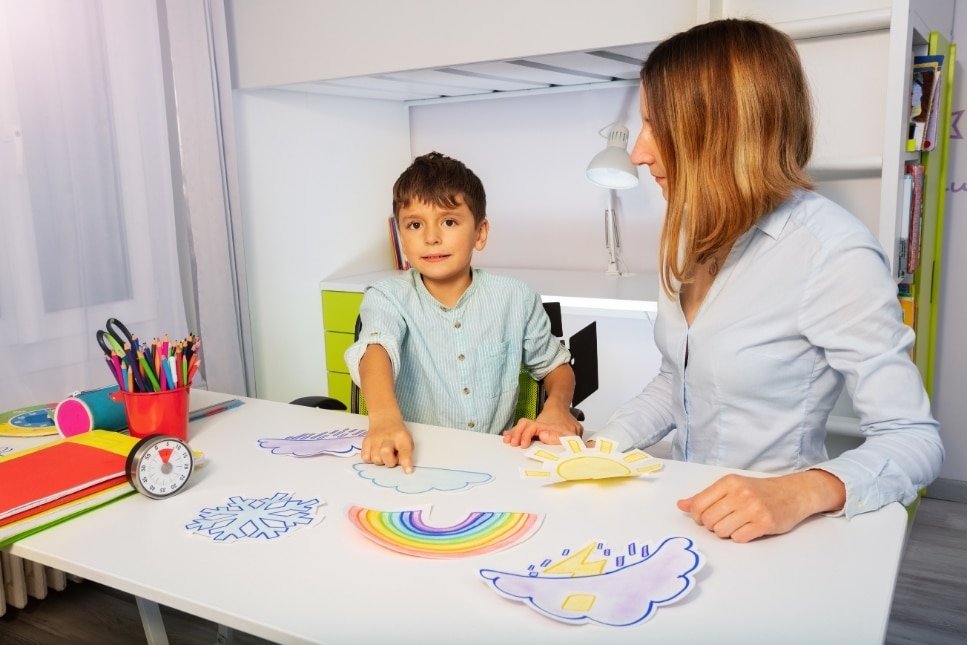
- Structured learning sessions (discrete trial training)
- Natural play-based learning
- Social skills groups with peers
- Communication development exercises
- Behavior reduction strategies
- Breaks and reinforcement activities
The controlled environment allows therapists to focus entirely on your child’s needs without many of the distractions found at home.
Why Families Choose In Clinic ABA Therapy
Many parents initially consider in-home therapy but later transition to in clinic aba therapy after seeing its benefits.
Here’s why:
1. Fewer Distractions = Better Focus
Clinics are designed for learning. There are fewer interruptions from TV, siblings, or household noise, allowing children to stay engaged longer.
2. Access to Specialized Equipment
Clinics often include:
- Sensory rooms
- Therapy toys
- Communication tools
- Structured learning stations
These resources enhance skill development in ways that are hard to replicate at home.
3. Team-Based Approach
Your child benefits from:
- Multiple therapists
- BCBA oversight
- Peer interaction
This collaborative setup leads to more consistent and well-rounded progress.

The Role of Structure in Skill Development
Structure is one of the biggest advantages of in clinic aba therapy.
Children with autism often thrive on routine. In a clinic:
- Sessions follow predictable schedules
- Skills are taught in a systematic way
- Progress is carefully tracked and adjusted
This consistency helps children feel safe while learning new behaviors.
According to the Centers for Disease Control and Prevention (CDC), structured interventions like ABA significantly improve communication and social skills in children with autism.
Social Skills Growth in a Clinic Setting
One unique benefit of in clinic aba therapy is access to peers.
Unlike in-home therapy, clinics offer opportunities for:
- Group activities
- Turn-taking practice
- Cooperative play
- Real-time social coaching
These interactions are essential for building real-world social skills.
Research published by the National Institutes of Health highlights that peer-mediated interventions improve social engagement and communication outcomes.
What Skills Are Taught in In Clinic ABA Therapy
The goal of in clinic aba therapy is to build meaningful, everyday skills.
These include:
Communication Skills
- Speaking and language development
- Using AAC devices
- Requesting needs appropriately
Social Skills
- Making eye contact
- Playing with others
- Understanding emotions
Daily Living Skills
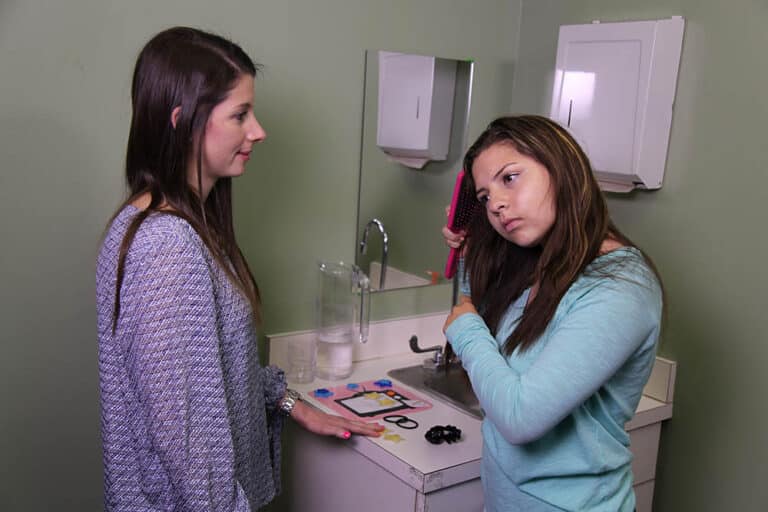
- Dressing
- Eating independently
- Toileting
Behavioral Skills
- Reducing tantrums
- Managing transitions
- Increasing attention span
Each program is personalized based on your child’s needs and developmental level.
Parent Involvement Still Matters
Even though therapy happens in a clinic, parents are still a key part of success.
At Thrive Behavior Centers Houston, families receive:
- Regular progress updates
- Parent training sessions
- Strategies to use at home
This ensures skills learned during in clinic aba therapy carry over into daily life.
Transitioning From Home to Clinic-Based Therapy
If your child is currently receiving in-home therapy, transitioning to a clinic might feel like a big step.
Here’s how to make it smoother:
- Start with shorter clinic sessions
- Visit the clinic beforehand
- Bring familiar items for comfort
- Communicate with your therapy team
Most children adapt quickly, especially once they begin forming relationships with therapists and peers.
Common Concerns About In Clinic ABA Therapy
Let’s address a few concerns parents often have.
“Will my child feel overwhelmed?”
Clinics are designed to support gradual transitions. Therapists adjust pacing based on your child’s comfort.
“Is it too structured?”
While structured, sessions also include play and natural interaction to keep learning engaging.
“What about generalization?”
Skills are practiced across different settings and people to ensure your child can apply them in real life.
Who Is the Best Candidate for In Clinic ABA Therapy
In clinic aba therapy is especially beneficial for:
- Children who need intensive intervention
- Kids who benefit from routine and structure
- Those working on social interaction skills
- Children who struggle with attention at home
However, every child is unique. A professional assessment will help determine the best setting.
What Makes Thrive Behavior Centers Houston Different
At Thrive Behavior Centers Houston, the focus goes beyond basic therapy.
Families choose them because of:
- Individualized treatment plans
- Highly trained clinical staff
- Data-driven progress tracking
- Family-centered care approach
Their clinic environment is designed to feel both structured and welcoming, so children can learn comfortably while making meaningful progress.
Long-Term Benefits of In Clinic ABA Therapy
The impact of in clinic aba therapy goes far beyond short-term behavior changes.
Over time, children often experience:
- Improved independence
- Better communication abilities
- Stronger social relationships
- Increased confidence
Early intervention, especially in structured settings, is strongly linked to better long-term outcomes.
How to Get Started
If you’re considering in clinic aba therapy, here are your next steps:
- Schedule an initial consultation
- Complete a comprehensive assessment
- Review a personalized treatment plan
- Begin therapy with ongoing evaluations
Starting early can make a significant difference in your child’s development.
Final Thoughts
Choosing the right therapy setting is one of the most important decisions you’ll make for your child. While both in-home and clinic-based options have their place, in clinic aba therapy offers a structured, resource-rich environment that many children need to thrive.
With the right support system, like the team at Thrive Behavior Centers Houston, your child can build the skills they need for a more independent and fulfilling life.
If you’re still unsure which option is best, consider speaking with a qualified ABA provider. The right guidance can help you make a decision that truly fits your child’s needs.
References
- (Autism Speaks, 2022).
https://www.autismspeaks.org/applied-behavior-analysis-aba-0 - (NIH, 2020).
https://www.ncbi.nlm.nih.gov/pmc/articles/PMC7357158/ - (APA, 2018).
https://www.apa.org/topics/autism-spectrum-disorder/diagnosing - (CDC, 2023). https://www.cdc.gov/autism/t reatment/