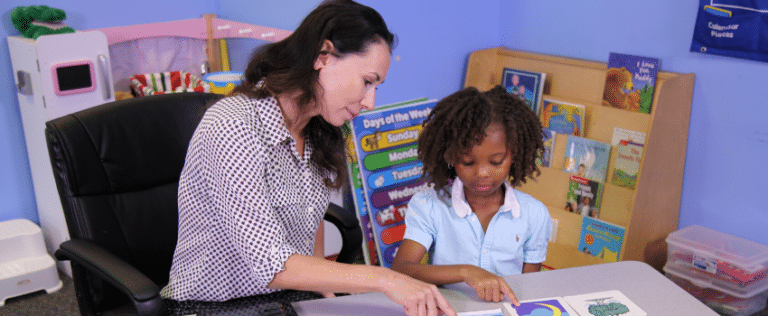

7 Powerful Benefits: Role of Parents in ABA Therapy Success
Role of Parents in ABA Therapy: Supporting Families Through ABA at Thrive Behavior Center
When a child is diagnosed with autism spectrum disorder (ASD), families often find themselves navigating a maze of unfamiliar terminology, specialists, and treatment options. Among these options, Applied Behavior Analysis (ABA) therapy is widely recognized as an evidence-based approach for improving communication, social skills, and adaptive behaviors. However, research and real-world outcomes consistently show that therapy is most effective when families are actively involved. The role of parents in ABA therapy is not supplemental, it is foundational.
At Thrive Behavior Center, we believe parents and caregivers are essential partners in a child’s developmental journey. Our family-centered model ensures that caregivers are informed, empowered, and equipped to reinforce progress beyond therapy sessions. By prioritizing collaboration, education, and emotional support, Thrive Behavior Center strengthens the role of parents in ABA therapy and creates meaningful, lasting outcomes for children and families alike.
Understanding the Role of Parents in ABA Therapy
The role of parents in ABA therapy extends far beyond observation or attendance. Parents are the most consistent figures in a child’s daily life, making them uniquely positioned to reinforce learned skills across environments. ABA therapy relies on consistency, repetition, and generalization, elements that are most effective when applied at home, in school, and in community settings.
While Board Certified Behavior Analysts (BCBAs) and Registered Behavior Technicians (RBTs) design and implement structured interventions, parents play a vital role in maintaining progress. When caregivers understand behavioral strategies and apply them consistently, children are more likely to achieve long-term success (Leaf et al., 2016).
At Thrive Behavior Center, we intentionally integrate families into treatment planning, goal development, and skill generalization to strengthen the role of parents in ABA therapy from day one.
Why the Role of Parents in ABA Therapy Is Essential for Long-Term Success
Research consistently demonstrates that parent involvement improves therapy outcomes. Children whose caregivers actively participate in ABA programs show greater gains in communication, social interaction, and adaptive behavior (Oono et al., 2013). The role of parents in ABA therapy is especially critical for maintaining skills once formal sessions end.
Key reasons parent involvement matters include:
Consistency across environments
Increased opportunities for skill practice
Faster generalization of learned behaviors
Reduced regression during schedule changes
Thrive Behavior Center emphasizes these principles by coaching parents to apply ABA strategies during daily routines such as mealtime, bedtime, play, and community outings.
The Role of Parents in ABA Therapy During Assessment and Goal Setting
The role of parents in ABA therapy begins at the assessment stage. Parents provide essential insights into a child’s strengths, challenges, preferences, and daily routines. This information allows clinicians to develop individualized treatment plans that reflect real-life needs rather than isolated clinic goals.
At Thrive Behavior Center, families collaborate with BCBAs to:
Identify meaningful skill priorities
Set realistic, measurable goals
Address behaviors that impact family life
Align therapy objectives with cultural values
This collaborative approach ensures that therapy goals are functional, relevant, and achievable, reinforcing the importance of the role of parents in ABA therapy throughout the process.

Parent Training: Strengthening the Role of Parents in ABA Therapy
Parent training is a cornerstone of effective ABA services. The role of parents in ABA therapy is strengthened when caregivers understand why behaviors occur and how to respond effectively. Thrive Behavior Center offers structured, ongoing parent training designed to build confidence and competence.
Topics Covered in Parent Training
Understanding behavior intervention plans
Using positive reinforcement effectively
Managing tantrums and challenging behaviors
Promoting communication and language development
Teaching independence and daily living skills
Generalizing therapy skills at home and school
By demystifying ABA principles, Thrive Behavior Center empowers caregivers to actively fulfill their role of parents in ABA therapy with clarity and confidence.
Reinforcing Skills at Home: The Daily Role of Parents in ABA Therapy
ABA therapy does not end when a session concludes. In fact, some of the most impactful learning occurs at home. The role of parents in ABA therapy includes embedding skill practice into everyday routines.
Examples include:
Encouraging communication during meals
Practicing turn-taking during play
Reinforcing self-help skills during dressing
Supporting emotional regulation during transitions
Thrive Behavior Center equips parents with practical strategies that seamlessly integrate into daily life, ensuring the role of parents in ABA therapy remains manageable and effective.
Open Communication and Collaboration with Families
Clear communication is essential to maintaining a strong role of parents in ABA therapy. Thrive Behavior Center prioritizes transparency and collaboration by providing:
Regular progress updates
Data-driven reports
Scheduled parent-BCBA meetings
Access to session notes via a secure parent portal
This open communication model allows parents to stay informed, ask questions, and actively participate in decision-making, reinforcing their role as equal partners in care.
Emotional Support and Advocacy: An Expanded Role of Parents in ABA Therapy
Beyond skill development, the role of parents in ABA therapy often includes advocacy and emotional support. Caring for a child with autism can be emotionally demanding, and Thrive Behavior Center recognizes the importance of supporting the whole family.
Our team assists parents with:
Navigating IEP and school meetings
Accessing community resources
Supporting siblings and extended family
Managing caregiver stress and burnout
By addressing both practical and emotional needs, Thrive Behavior Center honors the full role of parents in ABA therapy.
Cultural Sensitivity and the Role of Parents in ABA Therapy
Every family brings unique values, traditions, and expectations. The role of parents in ABA therapy is most effective when services respect cultural context. Thrive Behavior Center works collaboratively with families to ensure interventions align with their beliefs and priorities.
This culturally responsive approach strengthens trust, improves engagement, and enhances outcomes by honoring the family’s central role in the therapeutic process.
Real-World Outcomes: The Impact of the Role of Parents in ABA Therapy
Families consistently report meaningful improvements when actively engaged in therapy. Parents often share stories of improved communication, smoother routines, and stronger family connections. These outcomes highlight the transformative role of parents in ABA therapy.
When caregivers feel supported and empowered, children thrive, and families feel less alone in their journey.
Thrive Behavior Center’s Commitment to the Role of Parents in ABA Therapy
At Thrive Behavior Center, family involvement is not optional, it is integral. Our comprehensive ABA support model ensures that parents are informed collaborators at every stage of treatment.
We offer:
Personalized ABA programs
Experienced, compassionate clinicians
Ongoing parent education
Family-centered care beyond the clinic
By strengthening the role of parents in ABA therapy, we help create sustainable progress that extends far beyond therapy sessions.
Discover Family-Centered ABA Support at Thrive Behavior Center
If you’re seeking an ABA provider that values collaboration, compassion, and family empowerment, Thrive Behavior Center is here to support you. We believe that lasting change happens when families are actively involved and fully supported.
Contact Thrive Behavior Center today to learn how we can strengthen the role of parents in ABA therapy and help your child reach their full potential.