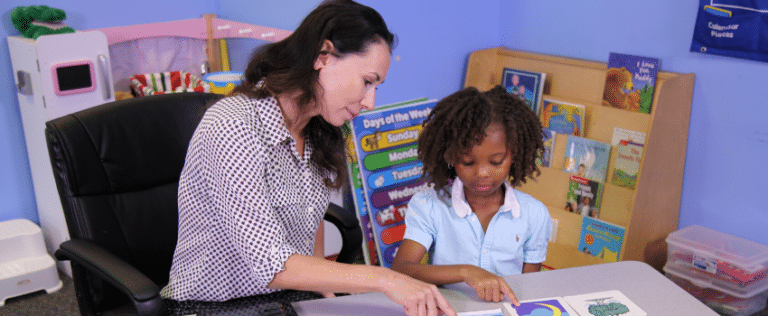

7 Effective Ways ABA Therapy for Independence Skills Works
How ABA Therapy for Independence Skills Builds Confidence in Children With Autism
Helping children with autism spectrum disorder (ASD) develop independence is one of the most meaningful goals for families and caregivers. Independence supports long-term quality of life, reduces reliance on others, and empowers children to participate more fully in their homes, schools, and communities. ABA therapy for independence skills is widely recognized as one of the most effective, evidence-based approaches for teaching these essential abilities.
At Thrive Behavior Center, ABA therapy programs are built on one core belief: every child can learn. Through individualized strategies, data-driven decision-making, and compassionate care, children gain the skills they need to navigate daily life with greater confidence and autonomy.
This article explores how ABA therapy for independence skills supports children with autism, the areas it targets, and why early, consistent intervention leads to meaningful, long-term outcomes.
Why Independence Skills Matter for Children With Autism
Independence is about more than completing tasks alone. For children with ASD, independence means developing the ability to make choices, communicate needs, solve problems, and adapt to new environments. These skills lay the foundation for success across the lifespan.
Many children with autism experience challenges with:
Executive functioning
Communication
Sensory regulation
Social interaction
Without structured support, these challenges can limit independence. ABA therapy for independence skills provides a systematic framework to teach these abilities in achievable steps while reinforcing progress consistently.
Research shows that teaching independence skills early leads to improved academic performance, better social integration, and increased self-confidence in adolescence and adulthood (Leaf et al., 2016).
What Is ABA Therapy for Independence Skills?
Applied Behavior Analysis (ABA) is a science-based approach that focuses on understanding behavior and how it is influenced by the environment. ABA therapy for independence skills applies these principles to teach practical, real-world abilities that children use every day.
Key characteristics include:
Task analysis (breaking skills into steps)
Positive reinforcement
Data collection and progress monitoring
Individualized goal setting
Generalization across environments
Unlike one-size-fits-all programs, ABA therapy is tailored to each child’s strengths, needs, and learning style.
How ABA Therapy for Independence Skills Teaches Daily Living Tasks
Building Self-Care and Hygiene Skills
Daily living skills are often the first focus of ABA therapy for independence skills. These include self-care routines that promote dignity, health, and autonomy.
Examples include:
Toileting routines
Handwashing
Brushing teeth
Dressing independently
Bathing and grooming
ABA therapists use task analysis to break each routine into manageable steps. For example, brushing teeth may be taught one step at a time, holding the toothbrush, applying toothpaste, brushing each quadrant, and rinsing.
Positive reinforcement encourages consistency and motivation, helping children master routines at their own pace.
Teaching Eating and Mealtime Independence
Mealtime independence is another critical area addressed through ABA therapy for independence skills. Many children with autism experience feeding challenges, including food selectivity, difficulty using utensils, or sensory aversions.
ABA strategies may include:
Gradual exposure to new foods
Reinforcing utensil use
Teaching appropriate mealtime behaviors
Increasing tolerance for textures and smells
Over time, children learn to eat more independently and comfortably in a variety of settings.
ABA Therapy for Independence Skills and Communication Development
Functional Communication as a Foundation for Independence
Communication is directly linked to independence. Children must be able to express their needs, preferences, and emotions to function autonomously. ABA therapy for independence skills prioritizes functional communication as a core goal.
This may include:
Verbal language development
Picture Exchange Communication System (PECS)
Augmentative and alternative communication (AAC) devices
Sign language
When children can communicate effectively, frustration decreases and independence increases.
Encouraging Choice-Making and Self-Advocacy
Choice-making is a powerful tool in ABA therapy for independence skills. Allowing children to make choices, what activity to do, what snack to eat, or which toy to play with, fosters autonomy and self-confidence.
Choice-making:
Encourages decision-making skills
Reduces learned helplessness
Builds self-advocacy
Over time, children learn to express preferences independently and assert their needs appropriately.
Developing Social Independence Through ABA Therapy
Teaching Practical Social Skills
Social independence allows children to interact with peers and adults without constant prompting. ABA therapy for independence skills teaches essential social behaviors such as:
Greeting others
Asking for help
Taking turns
Waiting patiently
Following group instructions
These skills are taught through modeling, role-playing, and reinforcement, then practiced in real-life situations.
Generalizing Social Skills Across Environments
One of the strengths of ABA therapy for independence skills is its focus on generalization. Skills learned in therapy are practiced across settings, home, school, and community, to ensure lasting independence.
At Thrive Behavior Center, therapists collaborate with families and educators to support consistency and real-world application.
Addressing Challenging Behaviors That Limit Independence
Understanding the Function of Behavior
Problem behaviors such as tantrums, aggression, self-injury, or elopement can interfere with independence. ABA therapy for independence skills addresses these behaviors by identifying their underlying function.
Behaviors often serve a purpose, such as:
Gaining attention
Avoiding tasks
Accessing preferred items
Sensory stimulation
Board-Certified Behavior Analysts (BCBAs) develop behavior intervention plans (BIPs) that replace challenging behaviors with functional, appropriate alternatives.
Reinforcing Adaptive Behaviors
By reinforcing positive behaviors, ABA therapy for independence skills helps children learn safer, more effective ways to meet their needs. As challenging behaviors decrease, children gain greater access to learning opportunities and independence.
The Role of Parents in ABA Therapy for Independence Skills
Parent Training and Collaboration
Independence does not develop in isolation. Parent involvement is essential for long-term success. ABA therapy for independence skills includes parent training to ensure consistency across environments.
Parents learn how to:
Prompt appropriately
Reinforce positive behaviors
Encourage independence at home
Manage challenges confidently
This collaborative approach helps children maintain progress beyond therapy sessions.
Extending Skills Into Daily Life
When parents are empowered, children benefit from continuous learning opportunities. Skills practiced during therapy are reinforced during daily routines, accelerating independence and confidence.
Long-Term Benefits of ABA Therapy for Independence Skills
The ultimate goal of ABA therapy for independence skills is long-term success. As children grow, independence skills support:
Academic achievement
Social participation
Vocational readiness
Improved quality of life
Research consistently shows that early and consistent ABA intervention leads to meaningful improvements in adaptive functioning and independence (Smith & Iadarola, 2015).
Why Families Choose Thrive Behavior Center
At Thrive Behavior Center, ABA therapy programs are individualized, compassionate, and evidence-based. Each child’s program is designed to support independence while respecting their unique strengths and needs.
Families benefit from:
Personalized treatment plans
Experienced BCBAs and therapists
Ongoing progress monitoring
Strong family collaboration
Through ABA therapy for independence skills, children gain the tools they need not just to participate in life, but to thrive.
Ready to Support Your Child’s Independence?
If you are looking for ABA therapy for independence skills that focuses on long-term growth and meaningful outcomes, Thrive Behavior Center is here to help.
Contact us today to schedule a consultation and learn how our ABA programs can support your child’s journey toward independence, one step at a time.
References
- Baer, D. M., Wolf, M. M., & Risley, T. R. (1968). Some current dimensions of applied behavior analysis. Journal of Applied Behavior Analysis, 1(1), 91–97. https://doi.org/10.1901/jaba.1968.1-91
- Leaf, R., McEachin, J., Taubman, M., & Leaf, J. B. (2016). Applied behavior analysis: A comprehensive guide. DRL Books. https://drlbooks.com
- Smith, T., & Iadarola, S. (2015). Evidence base update for autism spectrum disorder. Journal of Clinical Child & Adolescent Psychology, 44(6), 897–922. https://doi.org/10.1080/15374416.2015.1077448
- Centers for Disease Control and Prevention. (2023). Autism spectrum disorder (ASD). https://www.cdc.gov/autism
- Association for Behavior Analysis International. (2023). Applied behavior analysis. https://www.abainternational.org