7 Powerful Reasons Importance of Social Skills Matters
Importance of Social Skills in K-12 Academic Achievement
The importance of social skills in K-12 education cannot be overstated. When parents and educators consider areas of development for school-aged children, academic subjects such as reading, math, science, and physical fitness often take center stage. However, the importance of social skills plays an equally vital—if not more foundational—role in determining long-term academic and life success.
In today’s classrooms, children are expected not only to master curriculum standards but also to interpret social cues, collaborate with peers, regulate emotions, and respond appropriately to authority figures. These competencies are rooted in the importance of social skills and are essential for navigating daily school life.
For students with Autism Spectrum Disorder (ASD) or other developmental differences, the importance of social skills becomes even more pronounced. Many children with high-functioning autism demonstrate strong rote memory or specific subject strengths but struggle with interpreting figurative language, sarcasm, or the emotional intent behind written and spoken communication. These challenges directly impact reading comprehension, writing interpretation, and participation in discussions.
Research supports the connection between social functioning and educational outcomes. Ratcliffe et al. (2015) found a significant association between social skills and mental health outcomes in school-aged children with ASD, indicating that social competence influences both academic engagement and emotional well-being. When we recognize the importance of social skills, we begin to understand how foundational they are to learning.
Academic comprehension often requires theory of mind, the ability to understand others’ perspectives. Questions such as “What was the author trying to convey?” or “Why did historical figures make certain choices?” demand perspective-taking and emotional inference. Without recognizing the importance of social skills, students may struggle to interpret these deeper meanings, even if they can decode the words themselves.
According to Cooper, Heron, and Heward (2007), applied behavior analysis highlights how social repertoires are learned behaviors shaped by environment and reinforcement. When these repertoires are not explicitly taught, academic gaps may widen, particularly for neurodivergent learners.
Ultimately, understanding the importance of social skills allows educators to design instruction that supports both academic and social comprehension, ensuring students are not lost within the system.
Importance of Social Skills in Classroom Conduct and Behavior
The importance of social skills extends far beyond academics and deeply influences classroom conduct. When maladaptive behaviors appear, it is easy to attribute them to poor choices or lack of discipline. However, many behavioral challenges stem from deficits in communication, self-advocacy, and emotional regulation, all of which underscore the importance of social skills.
Children who cannot effectively express frustration, sensory discomfort, or confusion may resort to avoidance or disruptive behaviors. In many cases, these reactions are not intentional defiance but a reflection of unmet social-communication needs.
For example, environmental stimuli such as noise, crowded classrooms, or peer conflicts can overwhelm students with sensory sensitivities. Without the social tools to request breaks, negotiate conflicts, or express needs appropriately, students may develop behavioral cycles that result in classroom removal. This removal directly impacts academic performance and reinforces negative patterns.
The importance of social skills becomes clear when considering that appropriate conduct requires:
Self-regulation
Emotional identification
Perspective-taking
Assertive communication
Executive functioning
When these foundational skills are absent, students may struggle to maintain classroom participation. Research shows that social skill deficits correlate with increased internalizing and externalizing behaviors in children with ASD (Ratcliffe et al., 2015). This highlights how the importance of social skills directly connects to behavioral outcomes.
Furthermore, executive functioning, closely tied to social competence, affects time management, task completion, and impulse control. Teaching skills such as “I”-statements, calm-down strategies, and structured peer interactions reinforces the importance of social skills in shaping positive conduct.
By addressing these areas early, educators and caregivers reduce the risk of conduct disorders and ensure that students remain in the learning environment where growth occurs.
Importance of Social Skills in Group Relations and Peer Interaction
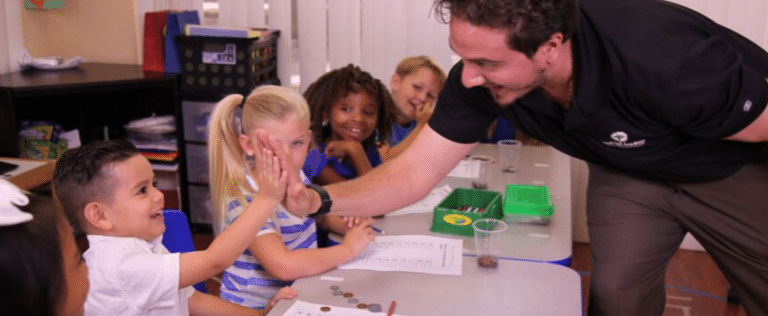
Another critical dimension of the importance of social skills lies in group relations. School environments require collaboration, from small reading circles to science labs and team sports. Yet, the ability to approach a peer and ask to join a group is not inherently easy.
For children with ASD or intellectual disabilities, initiating social contact may involve anxiety, sensory sensitivities, motor coordination challenges, or uncertainty about conversational norms. MacDonald, Lord, and Ulrich (2013) found a relationship between motor skills and social communicative abilities in children with ASD, suggesting that physical coordination and social engagement are interconnected.
Understanding the importance of social skills in group settings means recognizing that participation requires multiple sub-skills:
Initiating conversation
Maintaining two-way dialogue
Understanding sarcasm
Reading facial expressions
Managing eye contact
Knowing how to exit interactions appropriately
Without mastery of these abilities, students may avoid group work altogether, negatively affecting grades and peer relationships.
Group relations also influence self-esteem. Students who perceive themselves as outsiders may withdraw socially and academically. The importance of social skills training lies in equipping children with strategies to change reputations, advocate for inclusion, and build reciprocal friendships.
Teaching children how to “join a group” may involve role-play, modeling, and reinforcement strategies grounded in applied behavior analysis principles (Cooper et al., 2007). These structured interventions demonstrate how intentional instruction reinforces the importance of social skills in everyday school success.
Importance of Social Skills for Emotional Intelligence and Theory of Mind
The importance of social skills is closely linked to emotional intelligence and theory of mind. Emotional intelligence involves recognizing one’s own emotions and interpreting the emotions of others. In K-12 education, this translates into understanding teacher expectations, empathizing with classmates, and responding appropriately to feedback.
Theory of mind, the ability to understand that others think and feel differently, is essential for interpreting literature, historical motivations, and social dynamics. When students lack this capacity, they may struggle with inferential comprehension and social problem-solving.
Questions about symbolism, historical decisions, or character motivations require advanced social cognition. The importance of social skills in developing these abilities cannot be overlooked. Without explicit teaching, some students may never fully grasp the hidden curriculum embedded within academic tasks.
Social reciprocity, perspective-taking, and understanding sarcasm are learned competencies. By intentionally teaching these, educators reinforce the importance of social skills as academic tools rather than peripheral traits.
Importance of Social Skills in Preventing Bullying and Social Isolation
Bullying remains a significant concern in K-12 environments. The importance of social skills becomes evident when examining both prevention and response strategies. Students who can assertively communicate, interpret social dynamics, and seek help appropriately are better equipped to navigate peer conflicts.
Conversely, children who lack these skills may become targets or may respond in ways that escalate situations. Feelings of not fitting in can lead to chronic absenteeism, anxiety, or depression.
Research demonstrates that social skill competence correlates with improved mental health outcomes in children with ASD (Ratcliffe et al., 2015). By strengthening these abilities, schools reduce vulnerability and promote resilience.
Teaching self-advocacy, boundary-setting, and perspective-taking reinforces the importance of social skills as protective factors against peer victimization.
Importance of Social Skills in Executive Functioning and Self-Management
Executive functioning involves planning, organization, impulse control, and flexible thinking. The importance of social skills intersects here because many executive processes are socially mediated.
For example, waiting one’s turn, interpreting instructions, adjusting behavior based on feedback, and managing time all require social awareness. Students who develop these skills are more likely to succeed in structured classroom environments.
When social deficits exist, executive dysfunction may appear more pronounced. Strengthening communication, emotional regulation, and perspective-taking supports stronger self-management.
Cooper et al. (2007) emphasize that behavior is shaped through environmental contingencies. By structuring environments that reinforce positive social behaviors, educators underscore the importance of social skills in fostering independence.
Importance of Social Skills in Long-Term Educational Outcomes
The importance of social skills does not end in elementary school. Middle and high school demand increasingly complex peer interactions and academic collaboration. Group projects, presentations, and extracurricular activities require advanced interpersonal competencies.
Students who build strong social foundations early are better prepared for leadership roles, college interviews, and workplace environments. Social competence predicts not only academic persistence but also career readiness.
In a post-pandemic educational climate marked by learning loss and increased mental health concerns, revisiting the importance of social skills is more crucial than ever. Social development is not a secondary priority, it is a central pillar of educational success.
Importance of Social Skills in Social Skills Curriculum and Intervention
Recognizing the importance of social skills means integrating structured curricula into K-12 settings. Social skills groups, ABA-based interventions, and school counseling programs provide targeted instruction in:
Conversational turn-taking
Emotional labeling
Perspective-taking
Conflict resolution
Sarcasm detection
Self-advocacy
These structured approaches align with evidence-based practices in applied behavior analysis (Cooper et al., 2007).
When schools intentionally incorporate these frameworks, they acknowledge the importance of social skills as measurable and teachable competencies rather than abstract traits.
Importance of Social Skills as the Foundation of K-12 Success
In conclusion, the importance of social skills touches every dimension of K-12 education—academics, conduct, and group relations. Students must interpret meaning, regulate behavior, collaborate effectively, and advocate for themselves. Without these foundational abilities, even academically capable students may struggle.
The importance of social skills is especially critical for children with ASD and other exceptionalities, but it applies universally. Social competence influences mental health, academic engagement, peer relationships, and long-term achievement.
As educators and caregivers evaluate strategies to improve educational outcomes, the importance of social skills must remain central. By prioritizing structured instruction, modeling, and reinforcement, we equip students with tools that extend far beyond the classroom.
Strong social skills are not optional enhancements, they are essential building blocks for lifelong success.
If you want professional help, please contact us directly.
References
- Cooper, J. O., Heron, T. E., & Heward, W. L. (2007). Basic concepts. In Applied behavior analysis (2nd ed., pp. 560–567). Pearson.
- MacDonald, M., Lord, C., & Ulrich, D. (2013). The relationship of motor skills and social communicative skills in school-aged children with autism spectrum disorder. Adapted Physical Activity Quarterly, 30(3), 271–282. https://doi.org/10.1123/apaq.30.3.271
- Ratcliffe, B., Wong, M., Dossetor, D., et al. (2015). The association between social skills and mental health in school-aged children with autism spectrum disorder, with and without intellectual disability. Journal of Autism and Developmental Disorders, 45, 2487–2496. https://doi.org/10.1007/s10803-015-2411-z