9 Proven Calming Techniques for Autism That Reduce Anxiety
Calming Techniques for Autism: Effective Strategies to Reduce Anxiety and Promote Relaxation
Children with Autism Spectrum Disorder (ASD) often experience heightened levels of anxiety, emotional dysregulation, and sensory sensitivity. These challenges can make daily routines overwhelming and may lead to stress-related behaviors or meltdowns. Calming techniques for autism are essential tools that help children regulate emotions, feel safe, and regain control in challenging moments.
This guide explores evidence-based calming techniques for autism that support emotional regulation, reduce anxiety, and promote relaxation. Parents, caregivers, and professionals can use these strategies at home, in school, or during therapy sessions to improve overall well-being and quality of life for children on the autism spectrum.
Understanding Anxiety and Meltdowns in Autism Spectrum Disorder
Anxiety is one of the most common co-occurring conditions in children with ASD. Research shows that up to 40% of children with autism experience clinically significant anxiety symptoms (White et al., 2009).
Common Causes of Anxiety and Meltdowns
Understanding triggers is the first step in applying effective calming techniques for autism. Common causes include:
Sensory overload (noise, lights, textures)
Difficulty with communication
Changes in routine or unexpected transitions
Fatigue or hunger
Social demands
Frustration with tasks
When children feel overwhelmed and lack coping tools, anxiety can escalate into meltdowns. Unlike tantrums, meltdowns are not intentional, they are a response to emotional overload.
Why Calming Techniques for Autism Are So Important
Consistent use of calming techniques for autism helps children:
Develop emotional self-regulation skills
Reduce the frequency and intensity of meltdowns
Improve focus and learning readiness
Build independence and confidence
Strengthen parent–child relationships
These techniques are most effective when taught proactively, not only during moments of distress, but also during calm periods.
Creating a Safe Space: A Foundational Calming Technique for Autism
One of the most effective calming techniques for autism is creating a designated safe space where a child can retreat when feeling overwhelmed.
How to Create a Safe Space
A calming environment should include:
Dim or soft lighting
Minimal noise
Comfortable seating or soft cushions
Familiar objects (favorite toy, blanket, book)
Sensory tools such as weighted blankets or fidget toys
This space gives children permission to pause, self-regulate, and decompress without judgment.
Calming Techniques for Autism Using Breathing Exercises
Why Breathing Works
Deep breathing activates the parasympathetic nervous system, which slows heart rate and reduces stress hormones. Among all calming techniques for autism, breathing exercises are simple, accessible, and effective.
Diaphragmatic (Belly) Breathing
This is one of the most widely used calming techniques for autism.
Steps:
Place one hand on the chest and one on the stomach
Inhale slowly through the nose, feeling the belly expand
Exhale slowly through the mouth
Repeat for 1–3 minutes
Visual aids, such as blowing bubbles or pretending to inflate a balloon, can make breathing exercises more engaging for children with ASD.
Visualization as a Calming Technique for Autism
Visualization helps redirect attention away from anxiety-provoking thoughts and toward peaceful mental imagery.
Guided Visualization for Relaxation
A popular calming technique for autism involves imagining a calm, safe place.
Examples include:
A quiet beach
A green meadow
Floating on a cloud
Encourage the child to focus on sensory details, sounds, smells, colors, to deepen relaxation. Visualization works especially well before bedtime or during transitions.
Mindfulness-Based Calming Techniques for Autism
Mindfulness helps children become aware of their thoughts and sensations without feeling overwhelmed by them. Research suggests mindfulness-based interventions can significantly reduce anxiety in children with ASD (Ridderinkhof et al., 2018).
Simple Mindfulness Practices
Effective calming techniques for autism using mindfulness include:
Breath awareness
Body scanning
Five-senses grounding exercises
For example, ask the child to name:
5 things they can see
4 things they can touch
3 things they can hear
This grounding technique promotes emotional regulation and present-moment awareness.
Sensory-Based Calming Techniques for Autism
Many children with ASD experience sensory processing differences. Sensory-focused calming techniques for autism help regulate the nervous system.
Effective Sensory Strategies
Weighted blankets or vests
Deep pressure hugs
Rocking or swinging
Stress balls and fidget toys
Noise-canceling headphones
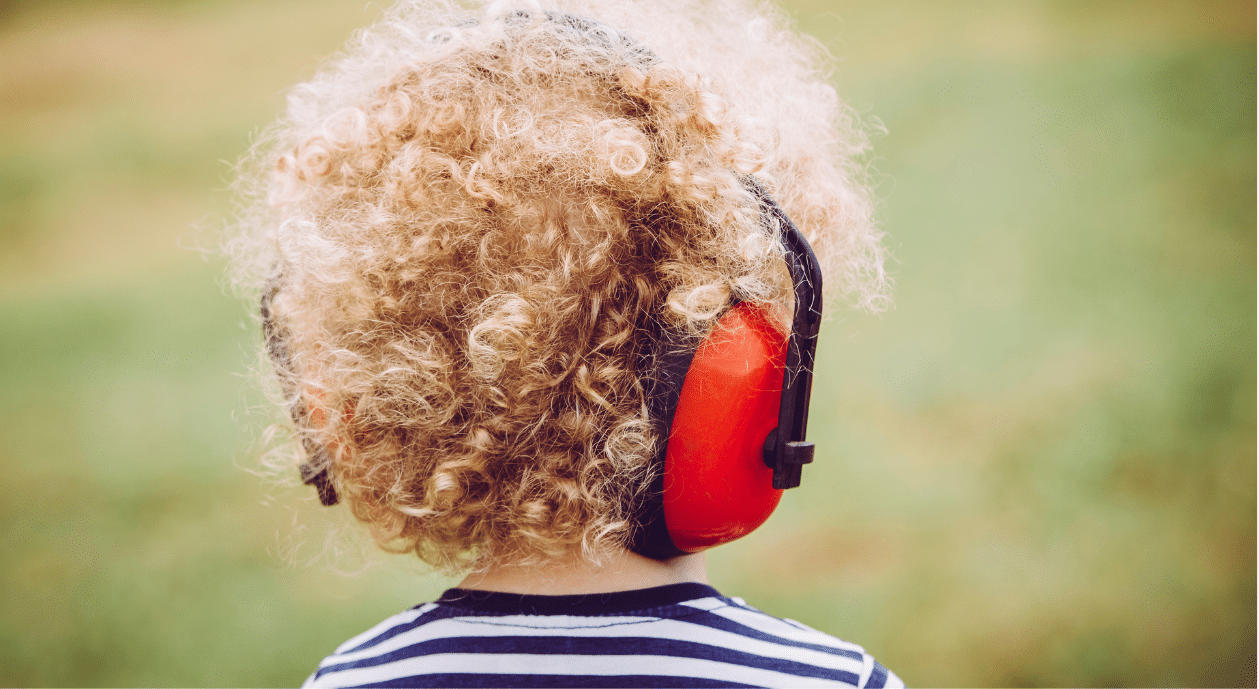
Occupational therapists often help identify sensory preferences to personalize calming strategies.
Music Therapy as a Calming Technique for Autism
Music has a powerful impact on mood and emotional regulation. Studies show music therapy can reduce anxiety and improve social engagement in children with autism (Geretsegger et al., 2014).
How to Use Music for Calm
Play slow, instrumental music
Use consistent calming playlists
Incorporate music into routines
Music-based calming techniques for autism can be used during transitions, therapy sessions, or bedtime routines.
Movement-Based Calming Techniques for Autism
Physical movement helps release built-up tension and regulate sensory input.
Examples Include:
Yoga poses adapted for children
Stretching routines
Short walks
Trampoline jumping
Yoga, in particular, has been shown to improve self-regulation and reduce anxiety in children with ASD (Radhakrishna, 2010).
Using Routine and Predictability as Calming Techniques for Autism
Children with autism often thrive on structure. Predictable routines reduce uncertainty, a major contributor to anxiety.
Helpful Tools
Visual schedules
Timers for transitions
Social stories
These tools function as preventative calming techniques for autism, reducing stress before it escalates.
Role of ABA Therapy in Teaching Calming Techniques for Autism
Applied Behavior Analysis (ABA) therapy plays a key role in teaching calming techniques for autism in a structured, measurable way.
ABA therapists help children:
Identify emotional triggers
Learn replacement coping behaviors
Practice calming strategies consistently
Generalize skills across environments
When calming strategies are reinforced through ABA therapy, children are more likely to use them independently.
Supporting Parents and Caregivers Through Meltdowns
Meltdowns are exhausting, for both children and caregivers. Remember, when a child needs a break, they truly need it.
Tips for Caregivers
Stay calm and present
Reduce verbal demands
Validate feelings without reinforcing behaviors
Offer calming tools, not punishment
Consistent application of calming techniques for autism benefits the entire family system.
Choosing the Right Calming Techniques for Autism
No two children are alike. The most effective calming techniques for autism are those tailored to a child’s individual needs, preferences, and developmental level.
Trial and Observation Are Key
Track:
What triggers anxiety
Which strategies work best
How long calming effects last
Flexibility and patience are essential.
When to Seek Professional Support
If anxiety or meltdowns significantly interfere with daily functioning, professional support may be needed. Pediatricians, psychologists, occupational therapists, and ABA therapists can provide guidance and personalized intervention plans.
Learn More About Our ABA Therapy Services
At Thrive Behavior Center, our ABA programs integrate evidence-based calming techniques for autism to help children build emotional regulation, communication, and coping skills.
 Contact us today to schedule a consultation or learn more about our comprehensive ABA therapy services.
References
- Geretsegger, M., Elefant, C., Mossler, K. A., & Gold, C. (2014). Music therapy for people with autism spectrum disorder. Cochrane Database of Systematic Reviews.
https://doi.org/10.1002/14651858.CD004381.pub3 - Radhakrishna, S. (2010). Application of integrated yoga therapy to increase imitation skills in children with autism spectrum disorder. International Journal of Yoga, 3(1), 26–30.
https://www.ncbi.nlm.nih.gov/pmc/articles/PMC2934564/ - Ridderinkhof, A., de Bruin, E. I., Brummelman, E., & Bögels, S. M. (2018). Does mindfulness meditation increase empathy? Mindfulness, 9, 1–11.
https://link.springer.com/article/10.1007/s12671-018-0910-7 - White, S. W., Oswald, D., Ollendick, T., & Scahill, L. (2009). Anxiety in children and adolescents with autism spectrum disorders. Clinical Psychology Review, 29(3), 216–229.
https://doi.org/10.1016/j.cpr.2009.01.003