Autism Social Skills Training: 7 Proven Benefits
Why Autism Social Skills Training Should Be a Priority for Families
Autism social skills training should be on the to-do list of every parent raising a child on the autism spectrum. Families already juggle medical appointments, therapy sessions, school meetings, and daily responsibilities. When a child has autism, the list can feel twice as long. Between speech therapy, occupational therapy, behavior services, nutrition planning, and routine needs, it is understandable that structured social time may not seem urgent.
However, training social skills for autism plays a critical role in long-term development. Social competence is directly linked to academic success, emotional regulation, independence, and workplace readiness. While therapies often focus on communication, behavior reduction, and daily living skills, autism social skills training ensures that children learn how to apply those skills in peer settings.
Research consistently shows that individuals with autism experience challenges in reciprocal conversation, perspective-taking, interpreting social cues, and maintaining friendships (American Psychiatric Association, 2013). Autism social skills training addresses these deficits in a structured and supportive way. Even more importantly, studies show that peer-mediated and group-based interventions lead to stronger generalization of skills than adult-led instruction alone (Chan et al., 2009).
At Thrive Behavior Centers, we emphasize that autism social skills training is not an optional extra, it is a foundational component of comprehensive care.
The Developmental Importance of Autism Social Skills Training
Autism social skills training supports the core areas of difficulty outlined in the DSM-5, including deficits in social communication and social interaction (American Psychiatric Association, 2013). Without structured opportunities to practice peer interaction, children may struggle to:
-
Initiate conversations
-
Interpret nonverbal cues
-
Understand humor or sarcasm
-
Manage conflict
-
Maintain friendships
-
Navigate group settings
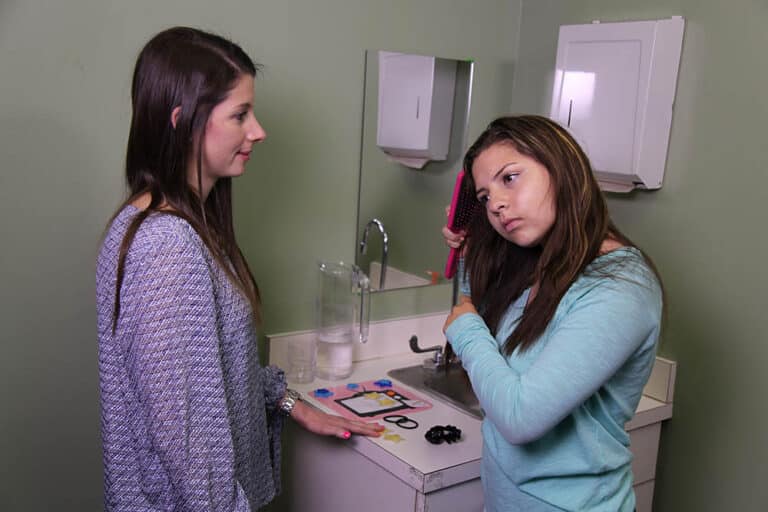
Autism social skills training creates opportunities for repeated, guided practice in these areas. Social learning theory suggests that children learn best by observing, modeling, and practicing behaviors within real social environments (Bandura, 1977). When children with autism engage in structured peer-based groups, they experience modeling from similar-aged peers, which increases motivation and authenticity.
Furthermore, research indicates that social rejection and isolation are common among youth with autism. Targeted autism social skills training has been shown to increase peer acceptance and improve relationship outcomes (Reichow & Volkmar, 2010).
Why Peer-Based Autism Social Skills Training Is More Effective Than Adult-Led Instruction
One common misconception is that parents or adults can teach most social interactions. While adults can teach rules, manners, and communication basics, autism social skills training requires peer interaction for full generalization.
Adults cannot replicate:
-
Playground dynamics
-
Peer humor
-
Group negotiation
-
Friendship conflicts
-
Social hierarchy navigation
Peer-based social skills training allows participants to practice with real peers in safe, structured settings. Research on peer-mediated instruction demonstrates stronger outcomes in communication and social engagement when peers are involved (Chan et al., 2009).
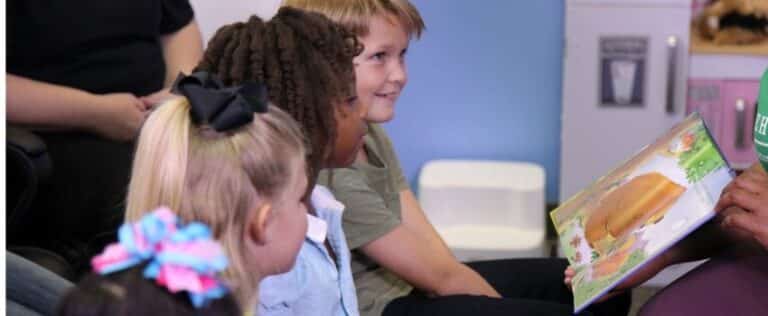
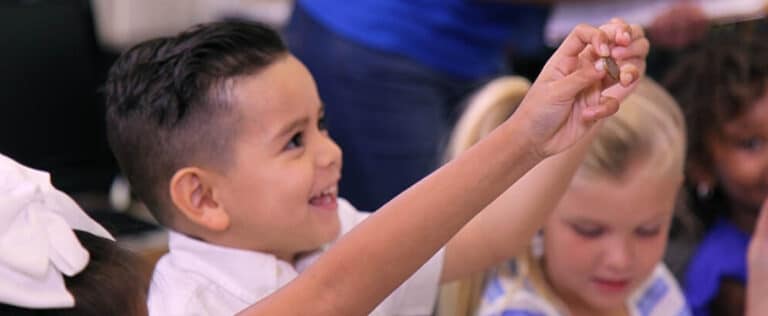
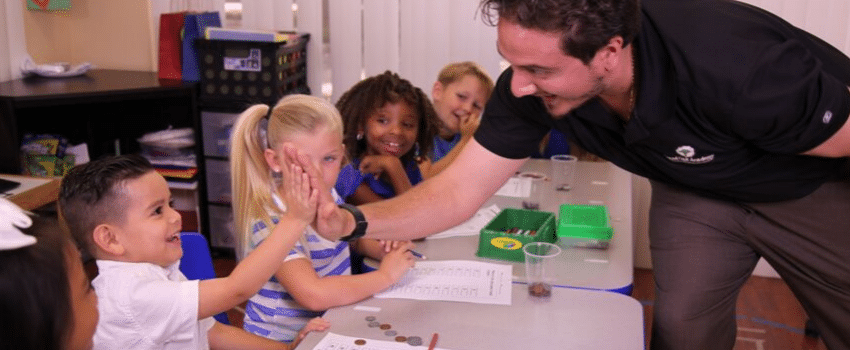
At Thrive Behavior Centers, autism social skills training focuses heavily on peer-to-peer practice. Adults facilitate, but peers lead the experience. This approach enhances motivation and mirrors real-world social environments.
Core Components of Effective Autism Social Skills Training
Not all autism social skills training programs are equal. Evidence-based elements must be present to ensure effectiveness.
Peer-Based Structure
Autism social skills training should involve consistent peer interaction. Programs that are purely 1:1 limit opportunities for generalization. Small groups with guided facilitation provide the optimal balance between support and independence.
Evidence-Based Curriculum
Effective autism social skills training incorporates validated curricula such as:
-
PEERS® (Program for the Education and Enrichment of Relational Skills) (Laugeson & Frankel, 2010)
-
Socially Savvy frameworks
-
Applied Behavior Analysis (ABA) methodologies
PEERS®, in particular, has strong empirical support for improving friendship skills, conversational abilities, and social engagement in adolescents with autism (Laugeson et al., 2012).
Role Modeling and Role Play
Autism social skills training must involve active rehearsal. Simply discussing social rules is insufficient. Participants need structured role-play opportunities and repeated practice scenarios. Behavioral rehearsal strengthens skill acquisition and retention.
Instructional Time
While play is essential, autism social skills training must include direct teaching. Explicit instruction ensures participants understand the “why” behind social rules. Research supports the combination of didactic instruction and naturalistic practice (Reichow & Volkmar, 2010).
Game-Based Learning
Motivation is key in social skills training. Game-based formats increase engagement and reduce anxiety. When participants enjoy sessions, attendance improves, and skill uptake increases.
Homework and Parent Involvement
Generalization beyond the group setting is essential. Autism social skills training programs should include structured homework assignments. Parent involvement strengthens consistency and reinforcement across environments (Laugeson & Frankel, 2010).
Peer Age and Functioning Match
Successful social skills training groups carefully match participants by age and skill level while maintaining diversity. Exposure to slightly more advanced peers can support modeling and growth.
The Psychological Benefits of Autism Social Skills Training
Autism social skills training does more than teach conversation starters. It enhances:
-
Self-esteem
-
Emotional regulation
-
Anxiety reduction
-
Independence
-
Resilience
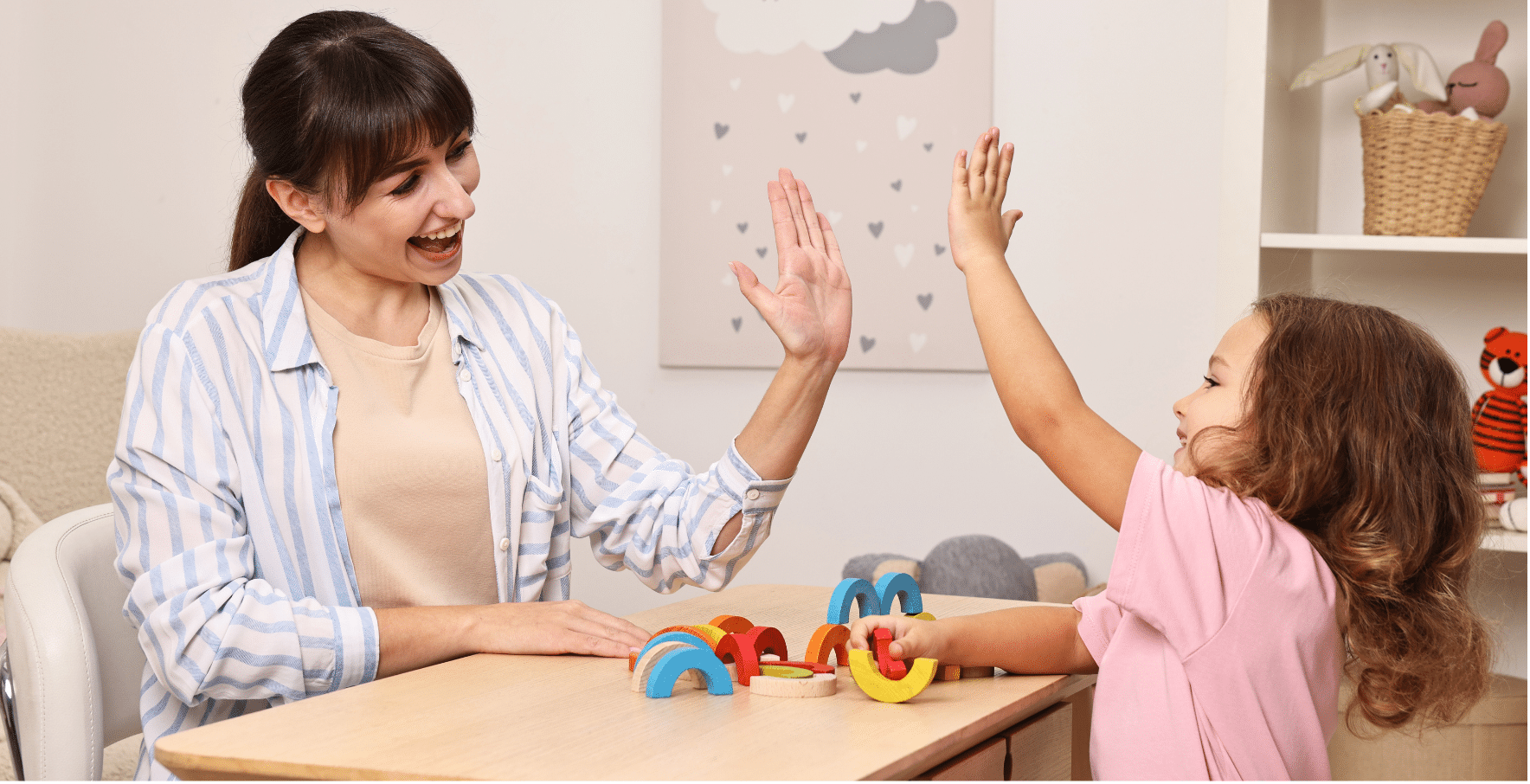
Children who struggle socially often experience rejection, which can lead to anxiety and depression. Studies indicate that structured autism social skills training reduces social anxiety and improves confidence (White et al., 2007).
When children experience success in peer settings, their motivation increases. Motivation drives repetition, and repetition drives mastery.
At Thrive Behavior Centers, we emphasize that desire creates motivation, and motivation creates success.
Autism Social Skills Training Across the Lifespan
Autism social skills training is not limited to early childhood. It benefits:
-
Preschoolers learning turn-taking
-
Elementary students developing friendships
-
Adolescents navigating social hierarchies
-
Young adults preparing for workplace interactions
Research shows that adolescents particularly benefit from structured programs like PEERS®, which improve long-term friendship quality and reduce social isolation (Laugeson et al., 2012).
Workplace success also depends heavily on soft skills. Autism social skills training prepares individuals for professional communication, teamwork, and conflict resolution.
How Thrive Behavior Centers Implements Autism Social Skills Training
At Thrive Behavior Centers, our autism social skills training model integrates:
-
Peer-based interaction
-
Evidence-based curriculum
-
ABA-informed instruction
-
Structured role-play
-
Game-based reinforcement
-
Parent collaboration
-
Homework generalization
Our Director of Social Skills and Board Certified Behavior Analysts (BCBAs) design sessions that balance instruction and engagement. Autism social skills training groups are intentionally structured to promote safety while encouraging independence.
We focus on measurable outcomes, ensuring that each participant shows growth in conversational skills, peer interaction, and social problem-solving.
What Parents Should Look for in Autism Social Skills Training Programs
When evaluating social skills training options, families should consider:
-
Is the group primarily peer-based?
-
Does it avoid excessive 1:1 instruction?
-
Is the curriculum evidence-based?
-
Are participants actively practicing skills?
-
Is there structured instruction time?
-
Are sessions fun and motivating?
-
Is homework included?
-
Are peers appropriately matched?
Autism social skills training should feel supportive but challenging. The right “fit” matters. A child who feels comfortable and motivated is more likely to succeed.
The Long-Term Impact of Autism Social Skills Training
Long-term studies emphasize that early and consistent social skills training improves adult independence and quality of life. Social competence predicts employment success, relationship satisfaction, and community integration (Howlin & Moss, 2012).
Investing in autism social skills training today lays the foundation for:
-
Lifelong friendships
-
Workplace stability
-
Emotional resilience
-
Self-advocacy
-
Community participation
Autism social skills training is not simply about learning to say hello, it is about building a fulfilling life.
At Thrive Behavior Centers, we are committed to empowering families through structured, compassionate, and evidence-based autism social skills training programs.
References
- American Psychiatric Association. (2013). Diagnostic and statistical manual of mental disorders (5th ed.). https://doi.org/10.1176/appi.books.9780890425596
- Bandura, A. (1977). Social learning theory. Prentice Hall. https://psycnet.apa.org/record/1977-25733-000
- Chan, J. M., Lang, R., Rispoli, M., O’Reilly, M., Sigafoos, J., & Cole, H. (2009). Use of peer-mediated interventions in the treatment of autism spectrum disorders: A systematic review. Research in Autism Spectrum Disorders, 3(4), 876–889. https://doi.org/10.1016/j.rasd.2009.04.003
- Howlin, P., & Moss, P. (2012). Adults with autism spectrum disorders. Canadian Journal of Psychiatry, 57(5), 275–283. https://doi.org/10.1177/070674371205700502
- Laugeson, E. A., & Frankel, F. (2010). Social skills for teenagers with developmental and autism spectrum disorders: The PEERS treatment manual. Routledge. https://www.routledge.com
- Laugeson, E. A., Frankel, F., Gantman, A., Dillon, A., & Mogil, C. (2012). Evidence-based social skills training for adolescents with autism spectrum disorders. Journal of Autism and Developmental Disorders, 42(6), 1025–1036. https://doi.org/10.1007/s10803-011-1339-1
- Reichow, B., & Volkmar, F. R. (2010). Social skills interventions for individuals with autism. Journal of Autism and Developmental Disorders, 40(2), 149–166. https://doi.org/10.1007/s10803-009-0842-8
- White, S. W., Keonig, K., & Scahill, L. (2007). Social skills development in children with autism spectrum disorders. Clinical Psychology Review, 27(2), 185–202. https://doi.org/10.1016/j.cpr.2006.09.001