10 Incredible Autism Friendly Places in Houston
Why Autism Friendly Places in Houston Matter for Families
Finding autism friendly places in Houston can make all the difference for families navigating life on the Autism Spectrum. For many children with autism spectrum disorder (ASD), crowded environments, loud noises, and unpredictable situations can cause sensory overload. This can make traditional outings overwhelming rather than enjoyable. Fortunately, autism friendly places in Houston are designed to reduce these stressors and promote inclusive, comfortable experiences for everyone.
Research shows that sensory sensitivities are common among individuals with ASD, often affecting how they process sound, light, texture, and movement (American Psychiatric Association, 2013). This means environments that are too loud or chaotic can trigger anxiety or distress. Autism friendly places in Houston respond to these needs with modified lighting, lower sound levels, trained staff, and structured programming.
The growth of autism friendly places in Houston also reflects broader awareness of neurodiversity. Communities are recognizing that inclusion is not just about access, but about creating experiences where families feel welcomed, respected, and supported. According to the Centers for Disease Control and Prevention (CDC), approximately 1 in 36 children in the United States has been identified with ASD (CDC, 2023). With this prevalence, demand for autism friendly places in Houston continues to rise.
Beyond accessibility, these environments provide social opportunities. Children can practice communication, adaptive skills, and peer interaction in spaces that understand their needs. Parents also gain peace of mind knowing their child can participate without judgment. Autism friendly places in Houston aren’t just locations, they are gateways to confidence, connection, and community engagement.
Below, we explore 10 of the top autism friendly places in Houston that offer sensory-conscious programming and inclusive fun.
1. The FOMO Factory: Immersive Autism Friendly Places in Houston
The FOMO Factory stands out among autism friendly places in Houston for its immersive and interactive design. This pop-up experience includes 17 themed spaces inspired by childhood nostalgia, playgrounds, birthday parties, and school dances, all designed to spark creativity and joy.
For children on the spectrum, structured exploration is key. The FOMO Factory allows visitors to move at their own pace through visually engaging yet manageable environments. Because sensory input varies between rooms, families can choose which areas feel most comfortable.
Many autism friendly places in Houston focus on reducing harsh stimuli. While The FOMO Factory is colorful and vibrant, visiting during low-traffic hours can create a more calming experience. Calling ahead or checking event schedules ensures a smoother visit.
2. Houston Museum of Natural Science: Leading Autism Friendly Places in Houston
The Houston Museum of Natural Science (HMNS) is a pioneer among autism friendly places in Houston. The museum provides sensory backpacks containing fidget tools, noise-reducing headphones, and comfort items.
Research highlights the effectiveness of sensory tools in supporting self-regulation for children with ASD (Ashburner et al., 2008). By offering sensory backpacks, HMNS demonstrates a research-backed approach to accessibility.
The museum also provides sensory-friendly guides and scheduled low-stimulation events. Families are encouraged to review schedules in advance for quieter times.
3. Children’s Museum of Houston: Interactive Autism Friendly Places in Houston
The Children’s Museum of Houston has long been one of the most popular autism friendly places in Houston. With hands-on exhibits and rotating programs, the museum also offers designated sensory-friendly events.
These events typically feature reduced crowd sizes, softer lighting, and lower sound levels. Structured play is essential for children with ASD, as it supports developmental goals such as problem-solving and social interaction (National Research Council, 2001).
By hosting sensory-friendly days, the Children’s Museum ensures families can explore without overwhelming stimuli.
4. Main Street Theatre: Performing Arts Autism Friendly Places in Houston
Main Street Theatre offers Sensory-Friendly/Relaxed performances tailored for individuals with disabilities. Among autism friendly places in Houston, this theatre stands out for modifying lighting and sound while allowing movement and vocalization during performances.
Traditional theatre etiquette can be stressful for families with children on the spectrum. Relaxed performances remove that pressure. Staff members are trained to support diverse needs, helping create a welcoming environment.
Exposure to performing arts supports emotional expression and imagination, valuable for children with ASD when provided in supportive settings.
5. Space Center Houston: Certified Autism Friendly Places in Houston
Space Center Houston is a Certified Autism Center, making it one of the most recognized autism friendly places in Houston. Certification involves staff training and environmental assessments to ensure accessibility.
The center features reduced sensory areas where visitors can retreat from stimulation. Calm, dimly lit spaces help regulate sensory overload.
Certification programs often follow standards developed by organizations specializing in autism training (International Board of Credentialing and Continuing Education Standards [IBCCES], 2022).
6. We Rock the Spectrum: Dedicated Autism Friendly Places in Houston
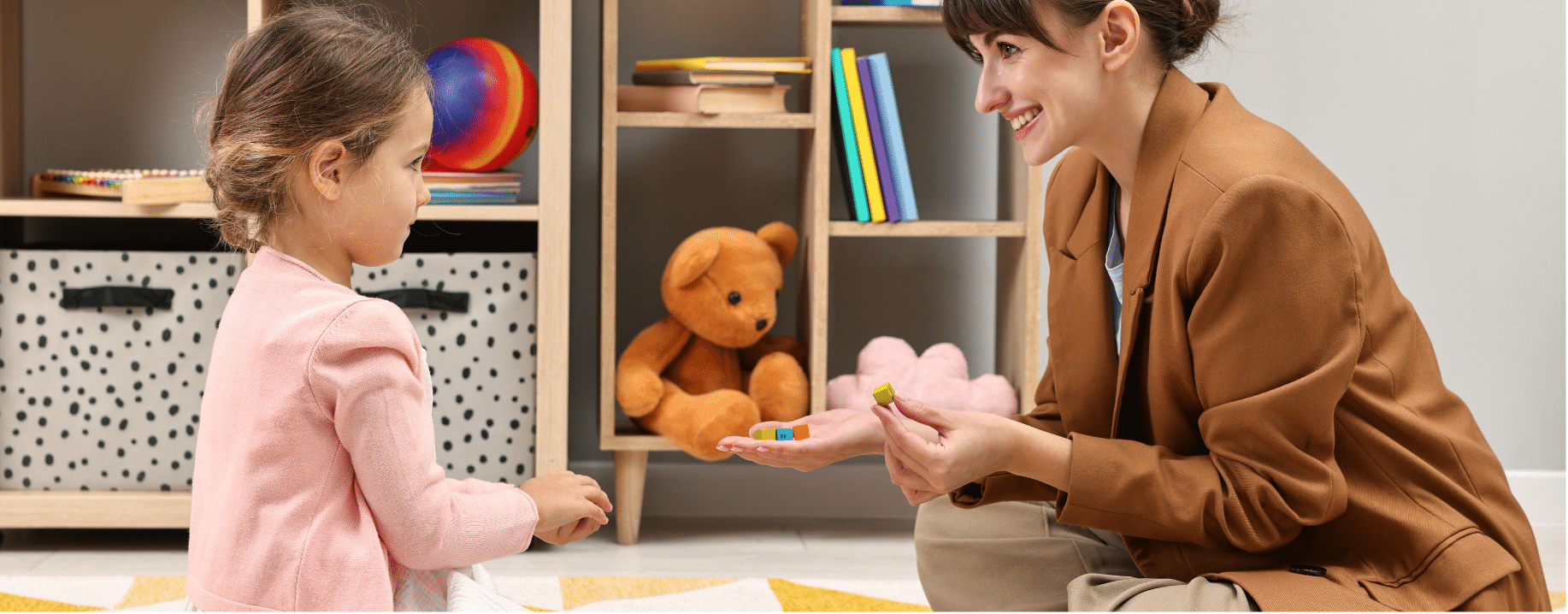
We Rock the Spectrum Kid’s Gym is specifically designed to be one of the most supportive autism friendly places in Houston. The gym features specialized sensory equipment, including swings and crash mats, that promote motor development and sensory integration.
Sensory integration activities can improve coordination and self-regulation in children with ASD (Schaaf et al., 2014). The gym also offers flexible supervision options, giving parents a much-needed break.
This environment is intentionally inclusive, welcoming children of all abilities.
7. AMC Theatres: Movie-Based Autism Friendly Places in Houston
AMC Theatres partners with the Autism Society to offer Sensory Friendly Films. These screenings are held on the 2nd and 4th Saturdays of each month.
Among autism friendly places in Houston, AMC stands out for adjusting volume levels, keeping lights dim instead of dark, and allowing guests to move freely.
Movies can be powerful shared experiences, and these modified showings ensure families can enjoy them without fear of disruption.
8. Chuck E. Cheese: Monthly Autism Friendly Places in Houston
Chuck E. Cheese hosts Sensory Sensitive Sundays on the first Sunday of every month. Music is lowered, flashing lights are reduced, and crowd sizes are limited.
For children who enjoy arcade-style games but struggle with overstimulation, these events provide an accessible alternative. Autism friendly places in Houston like Chuck E. Cheese demonstrate how mainstream venues can adapt for inclusivity.
9. Houston Ballet: Cultural Autism Friendly Places in Houston
The Houston Ballet offers autism-friendly performances designed to reduce sensory stress. Lighting and sound adjustments, along with flexible audience expectations, allow families to enjoy live dance.
Performing arts exposure supports emotional development and cultural enrichment. When structured thoughtfully, these experiences become accessible to neurodiverse audiences.
10. Special Olympics & Challenger Division: Active Autism Friendly Places in Houston
Physical activity is essential for children with ASD, supporting health, coordination, and social development. Special Olympics of Texas and the Little League Challenger Division provide adaptive sports opportunities.
Peer “buddies” assist players, promoting inclusion and teamwork. Organized sports in autism friendly places in Houston encourage confidence and belonging.
How to Choose the Best Autism Friendly Places in Houston
When selecting autism friendly places in Houston, consider:
Sensory modifications (lighting, sound adjustments)
Staff training and certification
Availability of quiet spaces
Scheduled sensory-friendly days
Online accessibility guides
Planning ahead reduces stress. Reviewing websites, calling ahead, and attending designated sensory events can significantly improve the experience.
The Growing Importance of Autism Friendly Places in Houston
As awareness grows, more organizations are adapting to meet neurodiverse needs. Autism friendly places in Houston represent progress toward true community inclusion.
Inclusive spaces empower children to explore safely and confidently. They allow families to participate fully in community life without fear of judgment.
Whether visiting museums, theaters, gyms, or sports leagues, these autism friendly places in Houston prove that fun and inclusion can go hand in hand.
If you need help or assistance, please do not hesitate to contact us.
References
- American Psychiatric Association. (2013). Diagnostic and statistical manual of mental disorders (5th ed.). https://www.psychiatry.org/psychiatrists/practice/dsm
- Ashburner, J., Ziviani, J., & Rodger, S. (2008). Sensory processing and classroom emotional regulation in children with autism spectrum disorders. American Journal of Occupational Therapy, 62(5), 564–573. https://ajot.aota.org
- Centers for Disease Control and Prevention. (2023). Data & statistics on autism spectrum disorder. https://www.cdc.gov/autism/data
- International Board of Credentialing and Continuing Education Standards (IBCCES). (2022). Certified autism center program. https://ibcces.org
- National Research Council. (2001). Educating children with autism. National Academy Press. https://nap.nationalacademies.org
- Schaaf, R. C., et al. (2014). An intervention for sensory difficulties in children with autism. Journal of Autism and Developmental Disorders, 44, 1493–1506. https://link.springer.com/article/10.1007/s10803-013-1983-8