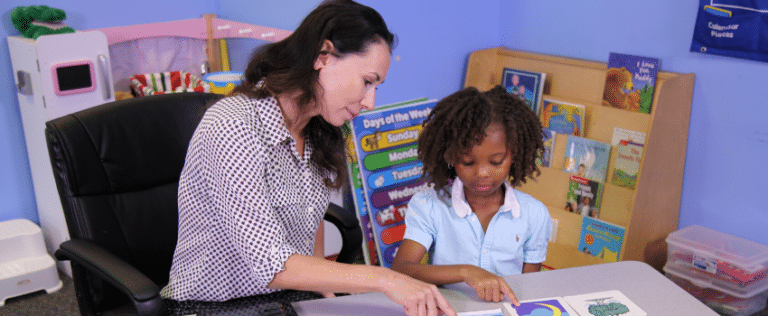

ABA Therapy for Autism: 4 Powerful Wins for Back-to-School
Back-to-School Transitions and the Power of ABA Therapy for Autism
The start of a new school year brings excitement, anticipation, and new opportunities for growth. However, for children on the autism spectrum and their families, back-to-school transitions can also introduce stress, uncertainty, and emotional challenges. New classrooms, unfamiliar teachers, shifting schedules, and increased academic and social expectations can feel overwhelming without the right preparation and support.
At Thrive Behavior Centers, we recognize that successful school transitions do not happen by chance, they are built through intentional planning, evidence-based strategies, and collaboration. That is why ABA therapy for autism plays such a critical role in helping children develop the skills they need to thrive academically, socially, and emotionally throughout the school year.
This guide explores why transitions matter, how ABA therapy for autism supports school readiness, and how families, therapists, and schools can work together to create a strong foundation for long-term success.
Why Back-to-School Transitions Are Especially Challenging for Children with Autism
Transitions are a natural part of life, but for children with autism spectrum disorder (ASD), they can be particularly difficult. Many children with ASD rely on routine, predictability, and familiarity to feel safe and regulated. When those elements change—such as during the start of a new school year, anxiety and behavioral challenges may increase.
Common Transition Challenges Include:
- Difficulty adjusting to new schedules or classroom routines
- Sensory overload from noisy or crowded environments
- Trouble understanding new expectations or rules
- Increased separation anxiety
- Social challenges with peers and teachers
Without proper support, these challenges can interfere with learning, emotional regulation, and overall well-being. This is where ABA therapy for autism becomes an essential support system, helping children build coping skills and adaptability in a structured, compassionate way.
Understanding the Role of ABA Therapy for Autism in School Readiness
Applied Behavior Analysis (ABA) is a research-based approach that focuses on understanding behavior and teaching meaningful skills through positive reinforcement. ABA therapy for autism is widely recognized as one of the most effective interventions for supporting children with ASD across developmental areas, including communication, social interaction, adaptive behavior, and emotional regulation.
When it comes to preparing for school, ABA therapy for autism helps children:
- Learn and follow routines
- Improve attention and task completion
- Develop functional communication skills
- Build independence in daily activities
- Reduce challenging behaviors that interfere with learning
By targeting these foundational skills, ABA therapy creates smoother transitions and increases a child’s confidence in the school environment.

How ABA Therapy for Autism Supports Back-to-School Transitions
At Thrive Behavior Centers Houston, our ABA programs are specifically designed to address the real-world challenges children face during school transitions. We focus on proactive strategies that prepare children before difficulties arise.
1. Visual Schedules and Predictability
Visual schedules are a cornerstone of ABA therapy for autism. They provide clear, concrete representations of daily routines, helping children understand what comes next and reducing anxiety caused by uncertainty.
Benefits of visual schedules include:
- Increased independence
- Reduced transition-related behaviors
- Improved understanding of time and sequence
- Greater emotional regulation
By practicing visual schedules in therapy and at home, children are better prepared to follow school routines independently.
2. Social Skills Training for School Success
School is not just about academics, it is also a social environment. Many children with autism struggle with peer interactions, group activities, and social communication. ABA therapy for autism addresses these challenges through structured social skills instruction.
Social skills goals may include:
- Initiating and maintaining conversations
- Turn-taking and sharing
- Understanding personal space
- Recognizing emotions in others
- Responding appropriately to social cues
Through role-playing, modeling, and reinforcement, ABA therapy helps children practice these skills in a supportive setting before applying them at school.
3. Behavior Intervention Plans That Anticipate Challenges
Behavior challenges often increase during times of change. ABA therapy for autism focuses on identifying the function of behaviors and teaching appropriate alternatives.
At Thrive Behavior Centers Houston, our Board Certified Behavior Analysts (BCBAs) develop individualized behavior intervention plans that:
- Identify triggers related to school transitions
- Teach coping strategies and replacement behaviors
- Reinforce positive behaviors consistently
- Reduce reliance on reactive discipline
This proactive approach helps children manage emotions and behaviors in a healthier, more effective way.
4. Building Independence Through ABA Therapy for Autism
Independence is a key factor in school readiness. Children are expected to manage personal belongings, follow instructions, transition between activities, and complete tasks with minimal assistance.
ABA therapy for autism supports independence by teaching:
- Morning and after-school routines
- Backpack organization
- Task initiation and completion
- Self-care and adaptive skills
These skills empower children to navigate the school day with greater confidence and autonomy.
Parent Collaboration: Extending ABA Therapy for Autism Beyond the Clinic
Parents play a vital role in successful back-to-school transitions. At Thrive Behavior Centers Houston, we believe that ABA therapy for autism is most effective when families are actively involved.
How We Support Parents:
- Parent training and coaching sessions
- Home-based routines that mirror school expectations
- Strategies for managing morning and evening transitions
- Tools for reinforcing positive behaviors at home
By aligning therapy goals with home routines, children experience consistency across environments, one of the most important factors in behavior change
Collaboration with Schools: A Unified Approach
One of the most powerful aspects of ABA therapy for autism is its ability to bridge the gap between home, therapy, and school. When appropriate, Thrive Behavior Centers Houston collaborates directly with schools to ensure continuity of care.
School Collaboration May Include:
- Teacher consultations
- Classroom behavior strategies
- Support with Individualized Education Programs (IEPs)
- Training on visual supports and reinforcement systems
This collaborative approach ensures that strategies used in ABA therapy are reinforced in the classroom, increasing their effectiveness and sustainability.
Emotional Regulation and Coping Skills Through ABA Therapy for Autism
Emotional regulation is a critical skill for school success. Frustration, anxiety, and sensory overload can make learning difficult if children do not have the tools to cope.
ABA therapy for autism teaches emotional regulation by:
- Identifying emotions and triggers
- Teaching calming strategies (e.g., deep breathing, requesting breaks)
- Reinforcing appropriate emotional expression
- Gradually increasing tolerance for challenging situations
These skills help children remain engaged and resilient throughout the school day.
September as a Fresh Start with ABA Therapy for Autism
The beginning of the school year offers a valuable opportunity to reset goals and establish positive habits. Whether a child is entering school for the first time or transitioning to a new grade, ABA therapy for autism provides the structure and support needed for success.
Early intervention and proactive planning can:
- Reduce back-to-school stress
- Improve classroom engagement
- Strengthen academic readiness
- Enhance social confidence
With the right support in place, September can truly be a fresh start for children and families alike.
Choosing the Right ABA Therapy Program for Your Child
Not all ABA programs are the same. When selecting ABA therapy for autism, it is important to choose a provider that prioritizes individualized care, collaboration, and family involvement.
At Thrive Behavior Centers Houston, we offer:
- Clinic-based ABA therapy
- In-home ABA therapy
- School consultation services
- Individualized treatment plans tailored to each child
Our goal is to support children across environments, ensuring meaningful progress that lasts.
Ready to Support Your Child’s School Year with ABA Therapy for Autism?
If your child is struggling with back-to-school routines, or if you want to proactively build school readiness skills, ABA therapy for autism can make a meaningful difference.
Thrive Behavior Centers Houston is here to help your child navigate transitions with confidence, consistency, and compassion.
Contact us today to learn more about our ABA services and take the first step toward a successful school year, because every child deserves the right support to thrive.
Sources
- American Psychiatric Association. (2022). Diagnostic and statistical manual of mental disorders (5th ed., text rev.). https://www.psychiatry.org/psychiatrists/practice/dsm
- Centers for Disease Control and Prevention. (2023). Autism spectrum disorder (ASD). https://www.cdc.gov/autism
- Cooper, J. O., Heron, T. E., & Heward, W. L. (2020). Applied behavior analysis (3rd ed.). Pearson Education. https://www.pearson.com
- Leaf, R., & McEachin, J. (2016). A work in progress: Behavior management strategies and a curriculum for intensive behavioral treatment of autism. DRL Books. https://drlbooks.com
- National Autism Center. (2015). Findings and conclusions: National standards project, phase 2. https://www.nationalautismcenter.org