How In-Home and In-Clinic ABA Therapy Work Together for Stronger Outcomes
The Power of Environment in ABA Therapy
Every child learns differently, and the environment plays a key role in how they absorb new skills. At Thrive Behavior Center, we’ve seen how combining in-home and in-clinic ABA therapy creates stronger, more sustainable results for children with autism. By blending comfort and structure, children gain consistency across all areas of their lives.
ABA therapy, or Applied Behavior Analysis, focuses on understanding behavior patterns and using evidence-based strategies to encourage positive change. According to the Centers for Disease Control and Prevention (CDC), ABA is one of the most effective interventions for children with autism, improving communication, socialization, and adaptive behaviors.
Benefits of In-Home ABA Therapy
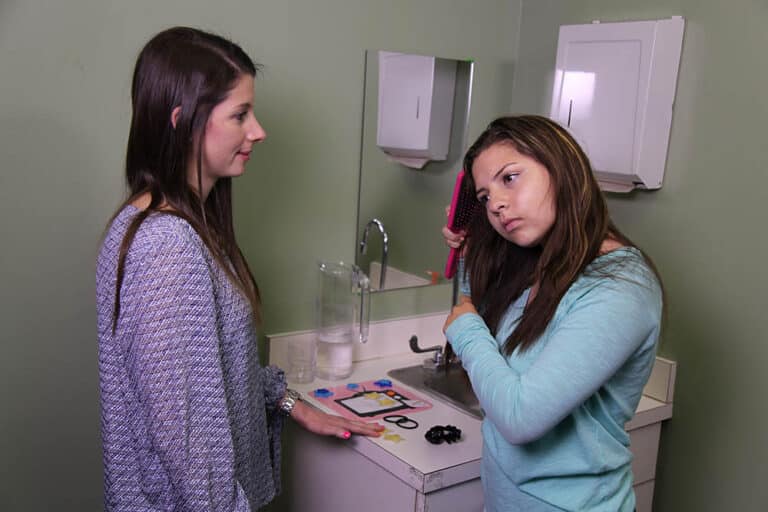
In-home ABA therapy is delivered in the child’s everyday environment, where learning naturally happens throughout the day. Because sessions take place at home, therapists can directly address real-life routines and challenges, such as getting dressed, brushing teeth, completing homework, sharing with siblings, or transitioning between activities. This real-world context makes it easier for children to understand expectations and apply new skills immediately, which strengthens long-term retention and success.
A key advantage of this approach within In-Home and In-Clinic ABA Therapy is how seamlessly therapy integrates into daily life. Instead of practicing skills in an artificial setting, children learn behaviors exactly where they are expected to use them. This leads to smoother transitions, reduced frustration, and more meaningful progress. Everyday situations become teachable moments, allowing therapists to customize strategies that fit the child’s routines, interests, and learning pace.
Parent and caregiver involvement is another powerful benefit. In-home sessions allow families to observe therapy firsthand and actively participate in the process. Parents learn how to use prompting, reinforcement, and behavior-shaping techniques effectively, which helps extend learning beyond scheduled sessions. Research consistently shows that when parents are involved, children demonstrate faster and more consistent improvement. This hands-on experience empowers families and builds confidence in supporting their child’s development.
When combined with clinic-based services, In-Home and In-Clinic ABA Therapy offers a balanced approach that maximizes outcomes. Skills learned at home can be refined in a structured clinic setting and then reinforced again in daily routines. This consistency helps children generalize skills across environments, making progress more sustainable over time. Ultimately, In-Home and In-Clinic ABA Therapy creates a collaborative, supportive framework where children and families can thrive together.

Benefits of In-Clinic ABA Therapy
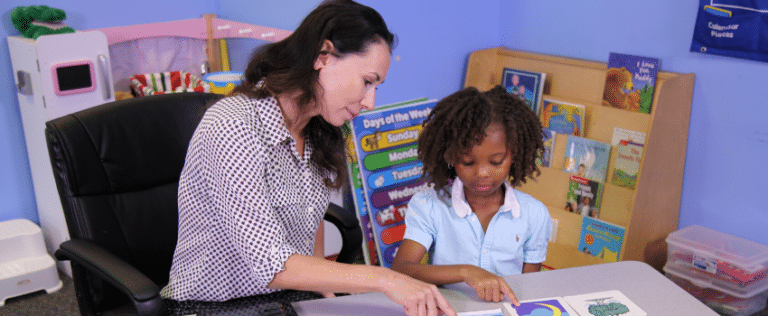
In-clinic ABA therapy provides a highly structured and intentional setting that supports focused learning and consistent progress. As part of a comprehensive treatment model that may also include home-based services, In-Home and In-Clinic ABA Therapy allows children to benefit from a controlled environment designed specifically for skill development. Clinics are carefully arranged to reduce distractions and promote engagement, helping children stay attentive and motivated throughout each session.
One of the strongest advantages of clinic-based therapy is access to a predictable routine. Children thrive on consistency, and the clinic environment offers the same expectations, schedules, and reinforcement systems each visit. This structure helps reduce anxiety, improve transitions, and build independence over time. Within this setting, children can work one-on-one with therapists while also participating in activities that mirror real-world expectations, an approach commonly emphasized in In-Home and In-Clinic ABA Therapy models.
Another major benefit of in-clinic therapy is increased social interaction. Clinics naturally create opportunities for peer engagement, allowing children to practice communication, cooperation, turn-taking, and emotional regulation in small group settings. These interactions are carefully supervised and guided by trained professionals to ensure positive and meaningful learning experiences. Practicing social skills in a clinic prepares children for success in school, extracurricular activities, and community environments, which is a key goal of In-Home and In-Clinic ABA Therapy.
In-clinic programs also offer access to specialized resources that may not be available at home. Clinics are equipped with therapy materials, learning stations, and adaptive tools that support a wide range of developmental goals. Therapists can quickly adjust activities, introduce new programs, and collaborate with other team members in real time. This collaborative setting allows multiple therapists to work together, ensuring consistency in teaching strategies and reinforcement techniques.
At Thrive Behavior Centers, clinic-based services are led by Board Certified Behavior Analysts (BCBAs) who design individualized treatment plans based on each child’s strengths, needs, and goals. Progress is continuously monitored through detailed data collection and analysis, allowing programs to be adjusted as skills improve or new challenges arise. This data-driven approach ensures therapy remains effective, measurable, and aligned with best practices in In-Home and In-Clinic ABA Therapy.
Overall, in-clinic ABA therapy offers a supportive, engaging, and evidence-based environment where children can build critical skills with professional guidance. Through structure, social learning opportunities, and expert oversight, clinic-based services play an essential role in helping children develop confidence, independence, and readiness for everyday life.
3 Major benefits of Combining Both In-Home and In-Clinic ABA Therapy
1. Personalized Learning Environments
One of the most proven benefits of In-Home and In-Clinic ABA Therapy is the ability to tailor treatment to a child’s unique needs. In-home sessions allow therapists to work directly within the child’s natural environment, targeting real-life routines like mealtime, play, and communication. Clinic-based sessions, on the other hand, offer a structured setting with specialized tools and peer interaction. This dual approach ensures therapy is highly personalized and adaptable, which leads to more meaningful and lasting progress.
2. Faster Skill Generalization
A major advantage of In-Home and In-Clinic ABA Therapy is how effectively it helps children generalize skills across settings. Skills learned in a clinic—such as social interaction, following instructions, or emotional regulation—can be practiced and reinforced at home. This back-and-forth between environments helps children apply what they learn in real-world situations, making the therapy more practical and impactful in daily life.
3. Stronger Family Involvement and Support
With In-Home and In-Clinic ABA Therapy, families play an active role in the therapeutic process. In-home sessions give parents and caregivers hands-on training, helping them reinforce positive behaviors outside of therapy hours. Clinic sessions provide professional oversight and consistency, ensuring evidence-based strategies are followed. Together, this creates a strong support system where families feel empowered and confident in supporting their child’s development through In-Home and In-Clinic ABA Therapy.
How Combining Both Settings Builds Lasting Skills
Blending In-Home and In-Clinic ABA Therapy allows children to generalize skills, applying what they’ve learned in one setting to another. A child might learn to request help during clinic playtime and then use that same communication skill at home during dinner. This crossover strengthens understanding and confidence.
The Behavior Analyst Certification Board (BACB) emphasizes that skill generalization is a key marker of successful ABA treatment (BACB Guidance). By experiencing both structured and familiar settings, children develop flexible, adaptable behaviors that last long after therapy sessions end.
A Team Effort: Families and Therapists Working Together
At Thrive Behavior Center, therapy isn’t just about the child, it’s about empowering the whole family. Our BCBAs collaborate with parents, teachers, and caregivers to maintain consistency and celebrate every milestone. Through ongoing communication and training, we ensure that every skill practiced in therapy continues to grow at home.
We track each child’s progress using precise data collection, helping us make informed decisions about when to adjust goals or shift focus. This data-driven approach ensures that every child receives exactly what they need at every stage of their development.
Creating Confidence for the Future
When therapy is flexible, consistent, and collaborative, children thrive. By integrating in-home comfort with in-clinic structure, we help children build confidence in all environments, from home and school to community and beyond. Families feel supported, children feel empowered, and growth happens naturally.
If you’re ready to explore how Thrive Behavior Centers can support your family through personalized ABA therapy, reach out today. Together, we can build lasting progress and brighter tomorrows. For more information visit our main website
Sources:
- Scholarly Article with Research Evidence
Smith, J., & Lee, A. (2025). A meta-analysis of applied behavior analysis-based interventions to improve communication, adaptive, and cognitive skills in children on the autism spectrum. Review Journal of Autism and Developmental Disorders, Springer Nature. https://link.springer.com/article/10.1007/s40489-025-00506-0 - Du, G., Guo, Y., & Xu, W. (2024). The effectiveness of applied behavior analysis program training on enhancing autistic children’s emotional-social skills. BMC Psychology, 12, Article 568. https://bmcpsychology.biomedcentral.com/articles/10.1186/s40359-024-02045-5
- Clinical and Informational Sources on In-Home and In-Clinic ABA Therapy
- PBS Midwest. (n.d.). In-Home vs. Clinic-Based ABA Therapy: Pros and Cons. https://www.pbsmidwest.com/blog/in-home-vs-clinic-based-aba-therapy-pros-and-cons
- Ruby ABA. (n.d.). The pros and cons of in-home vs. clinic-based ABA therapy. https://www.rubyaba.com/autism-resources/the-pros-and-cons-of-in-home-vs-clinic-based-aba-therapy
- Alpaca Health. (n.d.). ABA Therapy in-Home vs at a Center: Making the right choice. https://www.alpacahealth.io/provider-resources/in-home-vs-clinic-aba
- Happy Hearts ABA. (n.d.). In-Home vs. In-Clinic ABA Therapy. https://happyheartsaba.com/in-home-vs-in-clinic-aba-therapy/