4 Powerful Benefits of In-Home ABA Therapy Today
As autism spectrum disorder (ASD) diagnoses continue to rise, families seek effective, individualized interventions to support their children’s development. According to the CDC, approximately 1 in 31 children are identified with ASD. In response to this growing need, Thrive Behavior Centers offers a tailored solution: our In-Home ABA Therapy Program.
What Is In-Home ABA Therapy?
Applied Behavior Analysis (ABA) is a scientifically validated approach to understanding and improving behaviors. Our In-Home ABA Therapy Program brings this evidence-based treatment directly into your home, allowing for a comfortable and familiar setting where children can thrive.
This program is designed to address a wide range of developmental challenges, including:
- Enhancing communication skills
- Improving social interactions
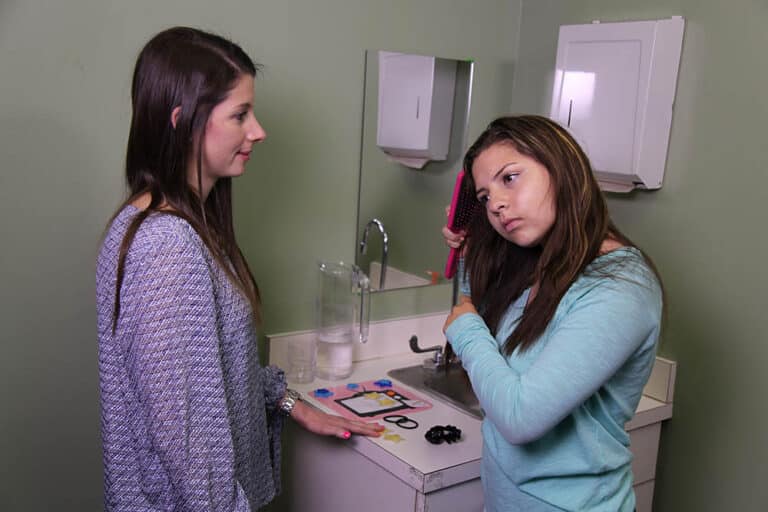
- Developing daily living skills
- Reducing challenging behaviors
By integrating therapy into the child’s natural environment, we ensure that interventions are relevant and seamlessly incorporated into daily routines.
Why Choose In-Home ABA Therapy?
Applied Behavior Analysis (ABA) therapy has long been recognized as one of the most effective, evidence-based approaches for supporting children with developmental delays and autism spectrum disorder. In recent years, families have increasingly turned to the In-Home ABA Therapy Program as a flexible, personalized option that brings meaningful intervention directly into a child’s daily life. By delivering therapy in the home, this model prioritizes individualized attention, active family involvement, natural environment learning, and unmatched convenience and comfort—all critical elements for long-term success.
Individualized Attention That Drives Progress
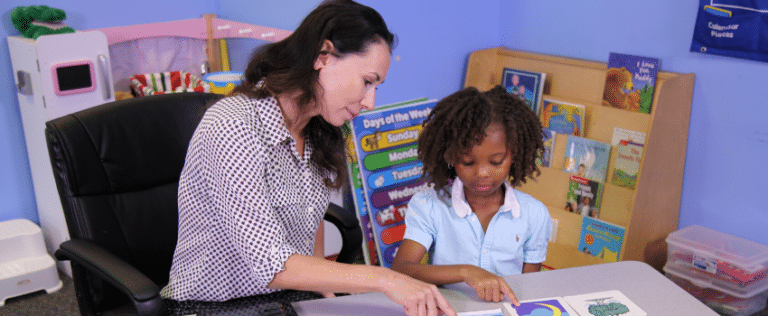
One of the greatest strengths of home-based ABA services is the high level of individualized attention each child receives. No two children are alike, and effective therapy must reflect that reality. In an In-Home ABA Therapy Program, therapy sessions are designed around the child’s unique strengths, challenges, interests, and learning style. Goals are carefully selected based on comprehensive assessments and are continually adjusted as the child progresses.
This personalized approach allows therapists to focus on specific skill areas such as communication, social interaction, daily living skills, and behavior regulation. Because sessions occur one-on-one, therapists can immediately respond to the child’s needs, reinforce positive behaviors, and adapt strategies in real time. This level of customization helps maximize learning opportunities and ensures that progress is both measurable and meaningful.
Additionally, individualized attention helps build a strong therapeutic relationship. Children often feel more comfortable and engaged when working closely with a consistent therapist who understands their preferences and motivators. This trust can significantly enhance participation and accelerate skill acquisition over time.
Family Involvement as a Core Component
Parents and caregivers are essential partners in the therapeutic process. An effective In-Home ABA Therapy Program does not treat therapy as something that happens in isolation—it actively includes the family every step of the way. Caregivers receive ongoing training, guidance, and feedback so they can confidently support their child’s development beyond therapy sessions.
Family involvement ensures consistency, which is critical for reinforcing new skills. When parents understand the strategies being used, they can apply them during everyday routines such as mealtime, playtime, and bedtime. This consistent reinforcement strengthens learning and helps children generalize skills more effectively.
Moreover, empowering families reduces stress and uncertainty. Caregivers gain practical tools to manage challenging behaviors, promote positive communication, and celebrate progress. This collaborative approach fosters a supportive home environment where learning continues naturally throughout the day, not just during scheduled sessions.
Learning in a Natural Environment
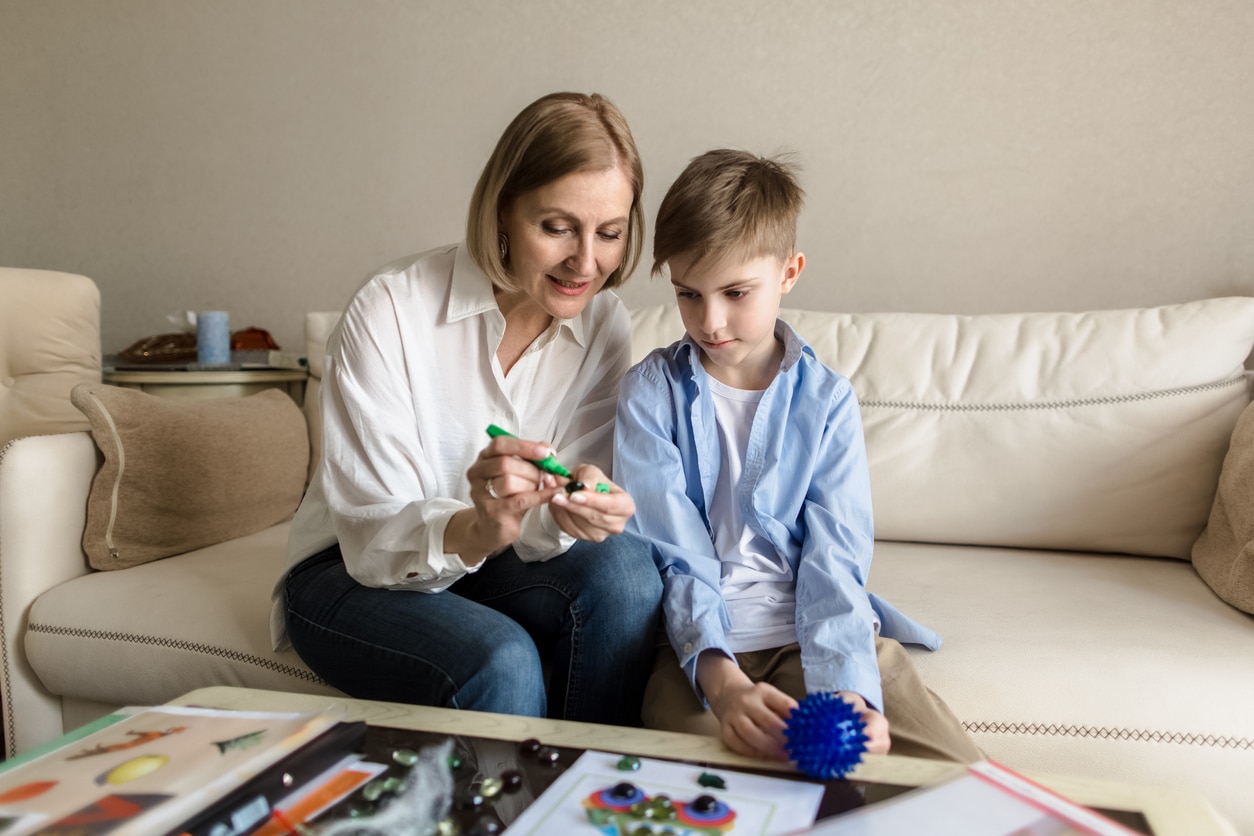
Children learn best in environments where they feel safe and familiar. One of the defining advantages of the In-Home ABA Therapy Program is its emphasis on natural environment learning. Instead of practicing skills in a clinical setting, children learn within the context of their own home, where real-life situations naturally occur.
This approach makes it easier for children to apply what they learn to daily routines. For example, communication skills can be practiced during snack time, social skills during sibling play, and self-help skills during morning or bedtime routines. Because the learning environment mirrors real life, children are more likely to retain and generalize these skills across different situations.
Natural environment learning also allows therapists to address challenges as they arise organically. Rather than simulating scenarios, therapists can work through real moments, providing immediate guidance and reinforcement. This hands-on, context-driven learning leads to practical outcomes that directly improve a child’s independence and quality of life.
Convenience and Comfort for the Whole Family
Scheduling and transportation can be significant barriers to consistent therapy. An In-Home ABA Therapy Program removes many of these obstacles by delivering services directly to the family’s home. Eliminating travel time reduces disruptions to daily routines and makes it easier for families to maintain a consistent therapy schedule.
For children, receiving therapy at home often means reduced anxiety and increased comfort. Familiar surroundings can help children feel more relaxed and focused, which positively impacts engagement and learning. This is especially beneficial for children who may struggle with transitions or sensory sensitivities.
From a family perspective, in-home therapy offers greater flexibility and balance. Parents can observe sessions, ask questions, and participate without rearranging their entire day. Siblings can be included when appropriate, further supporting social development in a natural, family-centered setting.
Supporting Long-Term Success
Beyond immediate skill development, the In-Home ABA Therapy Program is designed to support long-term growth and independence. By focusing on real-world skills, family collaboration, and consistent reinforcement, children are better prepared to navigate everyday challenges as they grow.
Progress is continuously monitored through data collection and regular evaluations. This ensures that goals remain relevant and that intervention strategies evolve alongside the child’s needs. Families remain informed and involved, creating a shared sense of purpose and achievement.
Over time, this comprehensive approach helps children build confidence, improve communication, strengthen relationships, and increase independence. These outcomes not only benefit the child but also enhance overall family well-being.
The Impact of ABA Therapy
Research consistently demonstrates the effectiveness of ABA therapy in improving outcomes for children with ASD. A study published in the Journal of Autism and Developmental Disorders found that children who received intensive ABA therapy showed significant improvements in IQ, language skills, and adaptive behavior CDC.
At Thrive Behavior Centers, our team of Board Certified Behavior Analysts (BCBAs) and trained therapists utilize data-driven methods to monitor progress and adjust interventions as needed, ensuring continuous growth and development.
Getting Started with Thrive Behavior Centers
Embarking on the journey of in-home ABA therapy begins with a comprehensive assessment. Our team collaborates with families to understand the child’s strengths, challenges, and goals. Based on this assessment, a customized therapy plan is developed and implemented.
We accept a variety of insurance plans and assist families in navigating the authorization process, making quality therapy accessible and manageable.
Hear from Our Families
“Thrive Behavior Centers has been a game-changer for our family. The therapists are compassionate, professional, and truly invested in our child’s success. We’ve seen remarkable progress in communication and social skills.” – A Parent of a Program Participant
“The in-home therapy model has been incredibly convenient for us. Our child is more engaged, and we feel supported every step of the way.” – A Parent of a Program Participant
Conclusion
At Thrive Behavior Centers, we are committed to providing high-quality, personalized ABA therapy that empowers children and supports families. Our In-Home ABA Therapy Program offers a flexible and effective solution for families seeking to make meaningful progress in their child’s development.
If you’re interested in learning more about our program or scheduling an assessment, please contact us today. Together, we can work towards a brighter future for your child.
Sources
- Autism Speaks. (n.d.). Applied Behavior Analysis (ABA). https://www.autismspeaks.org/applied-behavior-analysis
- Applied behavior analysis. (n.d.). In Wikipedia. https://en.wikipedia.org/wiki/Applied_behavior_analysis
- Gitimoghaddam, M. (2022). Applied behavior analysis in children and youth with autism spectrum disorder: A scoping review. Journal of Autism and Developmental Disorders. https://pmc.ncbi.nlm.nih.gov/articles/PMC9458805/
- Dennison, A. (2019). Delivering home-supported applied behavior analysis: Overcoming barriers. PMC Articles. https://pmc.ncbi.nlm.nih.gov/articles/PMC6834806/
- Liao, Y. (2025). Parents’ experiences of home-based applied behavior analysis programs for young children with autism. Journal of Autism and Developmental Disorders., Advance online. https://doi.org/10.1080/20473869.2023.2272088
- Makrygianni, M. K., Gena, A., Katoudi, S., & Galanis, P. (2018). The effectiveness of applied behavior analytic interventions for children with autism spectrum disorder: A meta-analytic study. Research in Autism Spectrum Disorders, 51, 18–31. https://doi.org/10.1016/j.rasd.2018.03.006
- Rusli, N. A. (2025). Parental involvement in applied behaviour analysis (ABA) therapy for autism spectrum disorder (ASD) children: Challenges and outcomes. Journal of Social and Educational Research, 4(1), 1–11. https://doi.org/10.5281/zenodo.15698527