9 Effective Sensory Toys for Autism That Truly Transform Play
Sensory Toys for Autism: A Complete Guide for Parents and Caregivers
Raising a child on the autism spectrum is a journey filled with learning, patience, and deep love. One of the most effective ways to support a child with sensory challenges is through intentional play. Sensory toys for autism are designed to help children explore the world in a way that feels safe, calming, and engaging, while also supporting developmental growth.
Children with autism spectrum disorder (ASD) often experience sensory input differently. Sounds may feel louder, textures may feel overwhelming, or movement may feel disorienting. On the other hand, some children may seek stronger sensory input to feel regulated. Understanding these differences is essential, and sensory toys play a critical role in helping children process sensory information effectively.
This guide explores what sensory sensitivity is, how sensory toys help children with autism, and which toys are most beneficial based on research and therapeutic practice.
Understanding Sensory Processing in Autism
Sensory processing refers to how the nervous system receives, organizes, and responds to sensory input. For children with autism, this process may work differently, leading to sensory sensitivities that affect daily functioning.
The senses involved include:
-
Sight
-
Sound
-
Smell
-
Taste
-
Touch
-
Balance (vestibular system)
-
Body awareness (proprioception)
Sensory toys are specifically designed to support these systems through controlled and purposeful play.
What Is Sensory Sensitivity?
Sensory sensitivity occurs when the brain has difficulty regulating sensory input. Some children may feel overwhelmed by everyday sensations, while others may not respond enough to sensory stimuli. These differences are commonly categorized into two types: hypersensitivity and hypo-sensitivity.
Recognizing your child’s sensory profile helps you choose the most appropriate sensory toys to support their needs.
What Is Hypersensitivity?
Hypersensitivity, also known as sensory over-responsiveness, occurs when a child reacts too strongly to sensory input. Bright lights, loud noises, strong smells, or certain textures can feel painful or overwhelming.
Children who are hypersensitive may:
-
Cover their ears in noisy environments
-
Avoid certain clothing textures
-
Become distressed in bright or crowded spaces
-
Experience sensory overload leading to meltdowns
Occupational therapy often incorporates sensory toys to help children gradually tolerate sensory input in a controlled and calming way.
What Is Hypo-Sensitivity?
Hypo-sensitivity refers to under-responsiveness to sensory stimuli. Children with hypo-sensitivity may seek intense sensory input to feel regulated.
Common behaviors include:
-
Seeking deep pressure or movement
-
High pain tolerance
-
Difficulty with coordination
-
Constant motion such as jumping or spinning
For these children, sensory toys provide necessary stimulation to support body awareness, motor skills, and emotional regulation.
How Sensory Toys for Autism Support Development
The use of sensory toys for autism goes beyond simple entertainment. These tools are often used in homes, classrooms, and therapy sessions to support learning and emotional regulation.
Key Benefits of Sensory Toys for Autism
-
Improve focus and attention
-
Reduce anxiety and stress
-
Support emotional self-regulation
-
Encourage imaginative and exploratory play
-
Strengthen fine and gross motor skills
-
Promote social interaction
When used consistently, sensory toys for autism can help children develop coping strategies that transfer into daily life.
The Role of Play in Sensory Development
Play is one of the most natural ways children learn. Through play, children explore cause and effect, express creativity, and make sense of sensory input. Sensory toys for autism create opportunities for safe exploration without overwhelming the child.
Research shows that sensory play supports brain development and neural connections, especially in children with developmental differences (Ayres, 2005).
Top Sensory Toys for Autism That Support Sensory Needs
Below is a curated list of therapist-recommended sensory toys that address various sensory systems.
Sensory Mats as Sensory Toys for Autism
Sensory mats provide multiple textures in one play surface. These mats encourage tactile exploration using hands or feet.
Benefits:
-
Improves tactile discrimination
-
Encourages barefoot sensory play
-
Supports balance and coordination
Sensory mats are ideal sensory toys for children who benefit from gradual exposure to textures.
Chew Toys and Oral Sensory Toys for Autism
Chew toys are essential sensory toys for autism for children who seek oral input. These toys provide safe alternatives to chewing on clothing or objects.
Benefits:
-
Provides calming proprioceptive input
-
Supports focus and emotional regulation
-
Reduces anxiety-based chewing behaviors
Chew toys are commonly used in occupational therapy settings.
Sand, Slime, and Putty as Sensory Toys for Autism
Tactile materials such as sand, slime, and putty offer rich sensory feedback. These sensory toys for autism support creativity and motor development.
Benefits:
-
Enhances fine motor skills
-
Encourages imaginative play
-
Improves sensory tolerance
For tactile-defensive children, therapists recommend slow and supervised exposure.
Pin Art Boards as Sensory Toys for Autism
Pin art toys provide visual and tactile stimulation by creating 3D impressions.
Benefits:
-
Offers calming repetitive motion
-
Encourages creativity
-
Provides visual sensory input
These sensory toys for autism are often used as calming tools during transitions.
Rainmaker Toys as Auditory Sensory Toys for Autism
Rainmaker toys produce gentle, rhythmic sounds that are soothing rather than overwhelming.
Benefits:
-
Supports auditory processing
-
Encourages cause-and-effect learning
-
Promotes relaxation
Rainmakers are excellent sensory toys for autism for children sensitive to loud noises.
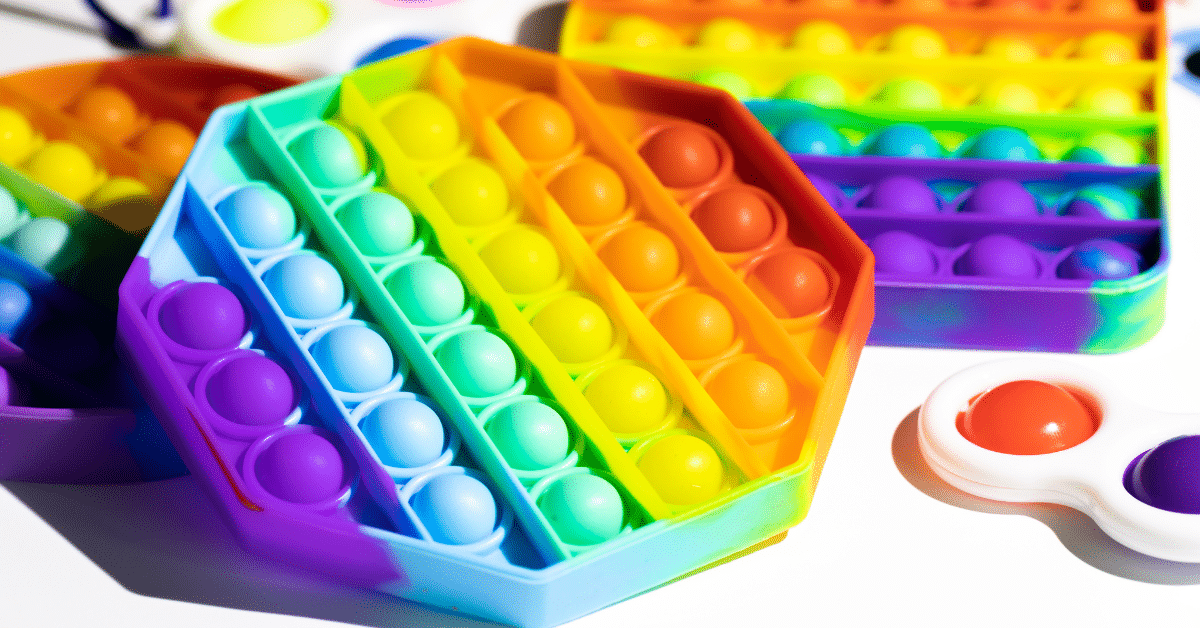
Fidget Spinners and Hand Fidgets for Autism
Fidget toys help children stay regulated by keeping their hands engaged.
Benefits:
-
Improves attention and focus
-
Reduces restlessness
-
Supports classroom learning
Fidget spinners are versatile sensory toys for autism suitable for various age groups.
Senseez Vibrating Cushions as Sensory Toys for Autism
Vibrating cushions provide deep sensory input through gentle vibration.
Benefits:
-
Promotes calmness
-
Improves body awareness
-
Encourages social interaction
Research suggests vibrating sensory toys for autism may increase verbal initiation in some children (Case-Smith et al., 2015).
Body Sox as Deep Pressure Sensory Toys for Autism
Body sox provide full-body compression, offering calming proprioceptive input.
Benefits:
-
Reduces anxiety
-
Improves spatial awareness
-
Supports emotional regulation
These sensory toys for autism are especially helpful for children seeking deep pressure.
Reflective Balls as Visual Sensory Toys for Autism
Reflective balls stimulate visual tracking and curiosity.
Benefits:
-
Enhances visual perception
-
Encourages focus
-
Supports cognitive development
Visual sensory toys for autism like reflective balls help children explore light and movement safely.
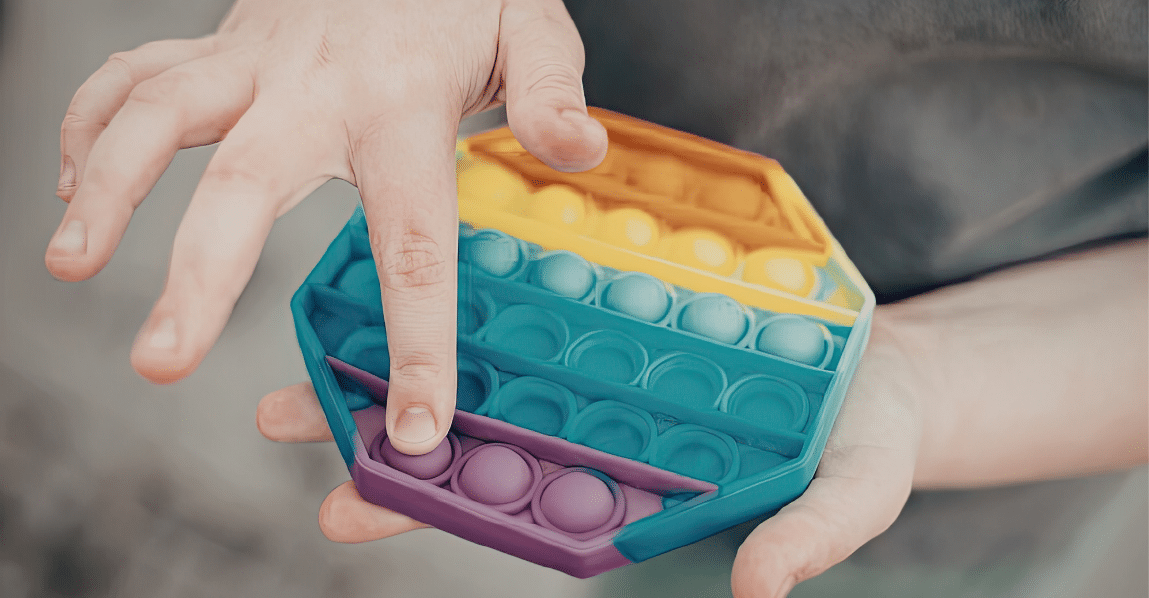
Choosing the Right Sensory Toys for Autism
Every child is unique. When selecting sensory toys for autism, consider:
-
Your child’s sensory profile
-
Safety and durability
-
Age appropriateness
-
Therapist recommendations
Observation is key. What calms one child may overwhelm another.
Integrating Sensory Toys into Daily Routines
To maximize benefits, incorporate sensory toys into structured routines such as:
-
Morning transitions
-
Homework time
-
Bedtime calming routines
Consistency helps children learn how to self-regulate using these tools.
When to Seek Professional Support
If sensory challenges significantly impact daily life, consult an occupational therapist. Therapists can recommend specific sensory toys for autism tailored to your child’s needs.
Final Thoughts on Sensory Toys for Autism
Providing sensory play opportunities is essential for children with autism. Sensory toys for autism empower children to explore, learn, and regulate their emotions in a supportive environment.
Remember, progress looks different for every child. By offering patience, understanding, and the right tools, you help your child thrive.
Have you tried any of these sensory toys for autism? Let us know in the comments below or contact us for enrollment information!
References
- Ayres, A. J. (2005). Sensory integration and the child. Western Psychological Services.
https://www.wpspublish.com - Case-Smith, J., Weaver, L. L., & Fristad, M. A. (2015). A systematic review of sensory processing interventions. American Journal of Occupational Therapy, 69(3).
https://doi.org/10.5014/ajot.2015.018051 - American Occupational Therapy Association. (2020). Sensory integration in autism.
https://www.aota.org - Autism Speaks. (2023). Sensory issues in autism.
https://www.autismspeaks.org/sensory-issues